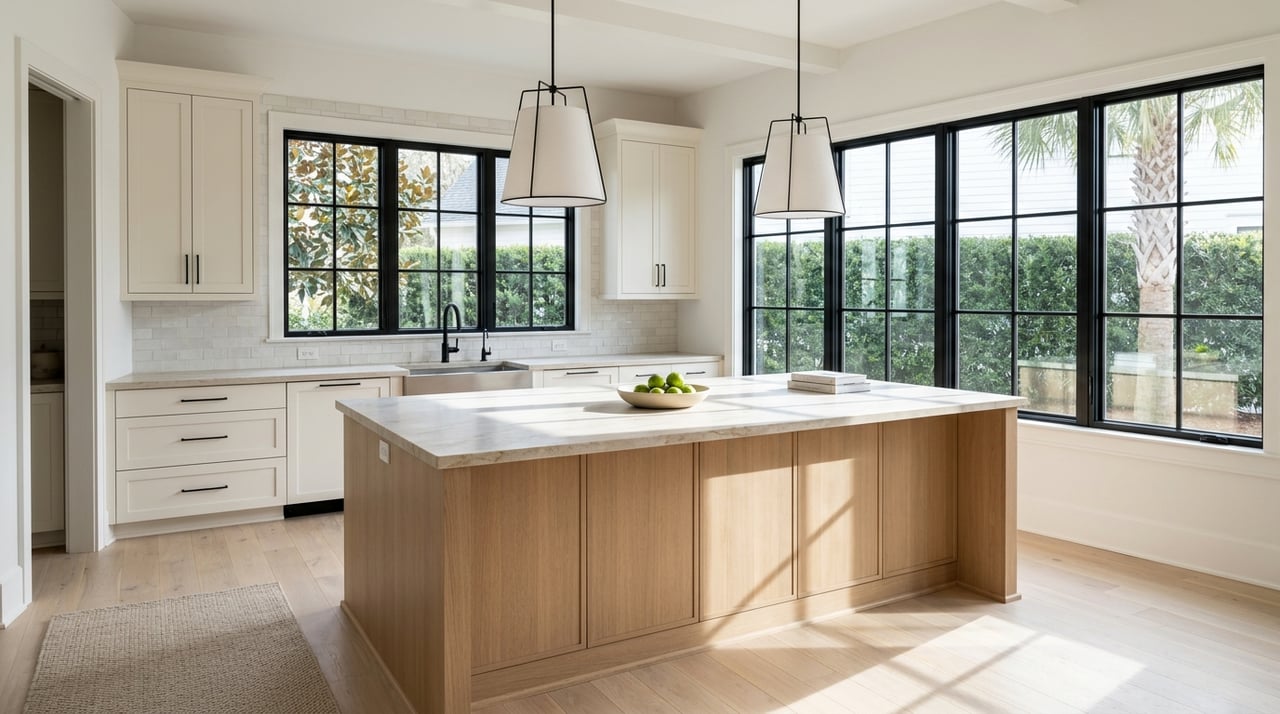
How to List a Luxury Home in Winter Park With Confidence
July 23, 2026
July 23, 2026
Selling a luxury home in Winter Park is rarely a simple list-it-and-wait process. In a market shaped by historic homes, lakefront value, and distinct micro-markets, the difference between a smooth sale and a stressful one often starts long before your home goes live. If you want to protect value, avoid delays, and attract serious buyers, it helps to understand what happens from the first walkthrough to the closing table. Let’s dive in.
Winter Park is a presentation-sensitive market. The city’s housing stock includes historic estates, bungalow neighborhoods, and lake-oriented properties, and the city has recorded more than 700 historic structures, or about 7% of residential dwellings.
That matters because luxury pricing here is not one-size-fits-all. A home’s historic status, water frontage, drainage, flood history, and exact location within a micro-market can all influence buyer interest and due diligence.
Current market conditions also support a careful approach. Realtor.com currently identifies Winter Park as a seller’s market, with about 366 active listings, a median listing price of $624,500, and a median 62 days on market. Even in healthy demand, homes sold for about 2.16% below asking on average in June 2026, which is a reminder that pricing and presentation still matter.
Your first walkthrough should do more than note paint colors and furniture placement. For a luxury listing in Winter Park, it should function as a full condition-and-risk audit.
That means reviewing the home’s visible condition, recent updates, deferred maintenance, and any property-specific issues that may affect value. On higher-end homes, buyers often look closely at roofing, windows, drainage, waterfront conditions, exterior features, and the quality of prior renovations.
If your home is in a historic district or on the city register, the walkthrough should also flag preservation issues. In Winter Park, additions, alterations, and exterior renovations may require review through the city’s Certificate of Review process.
Florida sellers need to be ready with more than marketing materials. State law requires disclosure of known facts that materially affect the value of residential real property and are not readily observable to the buyer.
For many Winter Park homes, that may include known water intrusion history, drainage concerns, structural issues, prior repairs, or system defects. The key is to identify these items early so you can address questions before they become contract problems.
Florida also requires several specific disclosures before or by contract. These can include:
The flood disclosure is especially important in Central Florida because it reminds buyers that standard homeowners insurance does not cover flood damage.
Historic designation does not automatically make a home harder to sell. In fact, many buyers are drawn to the character and architectural detail found in Winter Park’s historic properties.
Still, historic homes require better documentation. If your property has historic status, it is smart to review permit history, visible exterior changes, and any work that may have needed preservation approval.
The city states that historic designation does not affect property valuation for tax purposes. However, it can affect what changes may require review, so it is wise to sort that out before your home hits the market.
One of the biggest mistakes luxury sellers make is relying on broad market averages. In Winter Park, pricing should reflect your specific micro-market, property type, and buyer pool.
Neighborhood-level patterns can differ across areas such as Interlachen Avenue Historic District, Virginia Heights, Winter Park Estates, and Kenilworth Shores. A lakefront estate, a renovated historic residence, and a newer luxury home may all compete differently, even if they share a ZIP code.
A strong pricing strategy balances current competition, recent comparable sales, property condition, and buyer expectations. In a seller’s market with limited supply, discipline still matters because overpricing can slow momentum during the critical first weeks.
Luxury buyers often form their first impression online. That makes staging, photography, and digital presentation essential parts of the listing process.
The 2025 Profile of Home Staging found that 83% of buyers’ agents said staging makes it easier for buyers to visualize a home. More than a quarter said staging increased the dollar value offered by 1% to 10%, and about half of sellers’ agents said staging reduced time on market.
The same research found that one in three buyers’ agents said clients were more likely to schedule a showing after seeing a staged home online. For a Winter Park luxury listing, that supports investing in polished rooms, strong photography, and a well-planned launch.
A luxury listing should enter the market with purpose. That includes the right pricing, clean disclosures, polished visuals, and a showing plan that respects both buyer demand and seller privacy.
This is where principal-level guidance matters. When you work directly with an experienced listing agent, you can make faster decisions about timing, buyer feedback, showing adjustments, and offer response strategy.
In Florida, licensees must present offers and counteroffers in a timely manner. When interest comes in quickly, an organized process helps you evaluate terms, negotiate clearly, and keep strong buyers engaged.
Once your home is active, the market starts talking back. Buyers may love the design and location but still raise questions about condition, flood history, historic review, or pricing compared with other Winter Park options.
That is normal, especially in the upper end of the market. Serious buyers tend to be detail-oriented, and strong negotiation often depends on how well your home was prepared before the first showing.
If your listing launches well, you can often negotiate from a position of strength. If it launches with missing information or obvious pricing gaps, you may spend valuable time correcting course.
A smooth contract is only part of the process. Closing a luxury home in Winter Park also means preparing for taxes, title work, escrow coordination, and any association-related documents.
One major seller cost in Florida is documentary stamp tax on the deed. In counties other than Miami-Dade, the rate is 70 cents per $100 of consideration, and it is due when the deed is recorded.
If a mortgage is recorded, the note is taxed at 35 cents per $100 of the obligation, capped at $2,450. Buyers and sellers should also expect title and escrow-related charges as part of the closing process.
In Florida, title agents commonly handle escrow and closing functions. The Florida Chief Financial Officer explains that the party paying the title insurance premium generally gets the first choice of closing or title agent, subject to lender approval.
If your property is in an HOA or condominium, do not wait until the last minute to order required documents. These items can affect the closing timeline.
Florida law requires an HOA to issue an estoppel certificate within 10 business days of a proper request. For condominiums, the law allows a reasonable estoppel fee that may not exceed $250 when no delinquent amounts are owed.
In practice, ordering these documents early can help prevent avoidable delays near closing.
If the buyer is financing the home, federal rules require the buyer to receive the Closing Disclosure at least three business days before closing. That document includes the final mortgage terms and costs.
Meanwhile, escrow funds are typically held by the title agency until closing. If a dispute arises, those funds generally remain in escrow until the parties resolve the issue or a court directs disbursement.
After closing, the deed is recorded with the county clerk. Once recording is complete, the title policy may be issued.
If you are selling one Florida home and buying another, your pre-listing plan should also include homestead questions. This is especially important for long-time owners with accumulated Save Our Homes benefits.
According to the Orange County Property Appraiser, your homestead exemption does not automatically move with you when title changes. A new application is required for your new property.
Florida portability may allow you to transfer up to $500,000 of accumulated Save Our Homes savings to a new Florida homestead if your prior property qualified within the last three years. For many luxury sellers, that makes the next move part of the overall financial conversation.
Luxury sellers often want more than transaction management. They want clear advice, steady communication, and a listing strategy tailored to the home, not a template.
In a market like Winter Park, that can be especially valuable. Historic review, flood-related disclosures, micro-market pricing, and high-expectation buyers all create a process that benefits from direct, experienced oversight.
When you work with a boutique, senior-practitioner approach, you can move from walkthrough to closing with better preparation and fewer surprises. If you are thinking about listing your Winter Park home, Shirley Jones Realtor offers personalized listing representation, premium marketing, and local counsel designed for high-value properties.
Stay up to date on the latest real estate trends.


Shirley’s consistent success in sales isn’t just numbers—it’s a reflection of client trust, sharp negotiation skills, and a passion for helping people move forward. Your goals are her mission.