The Downtown Maitland Rule That Kept Small Houses Small, and What Just Changed
October 15, 2026
October 15, 2026
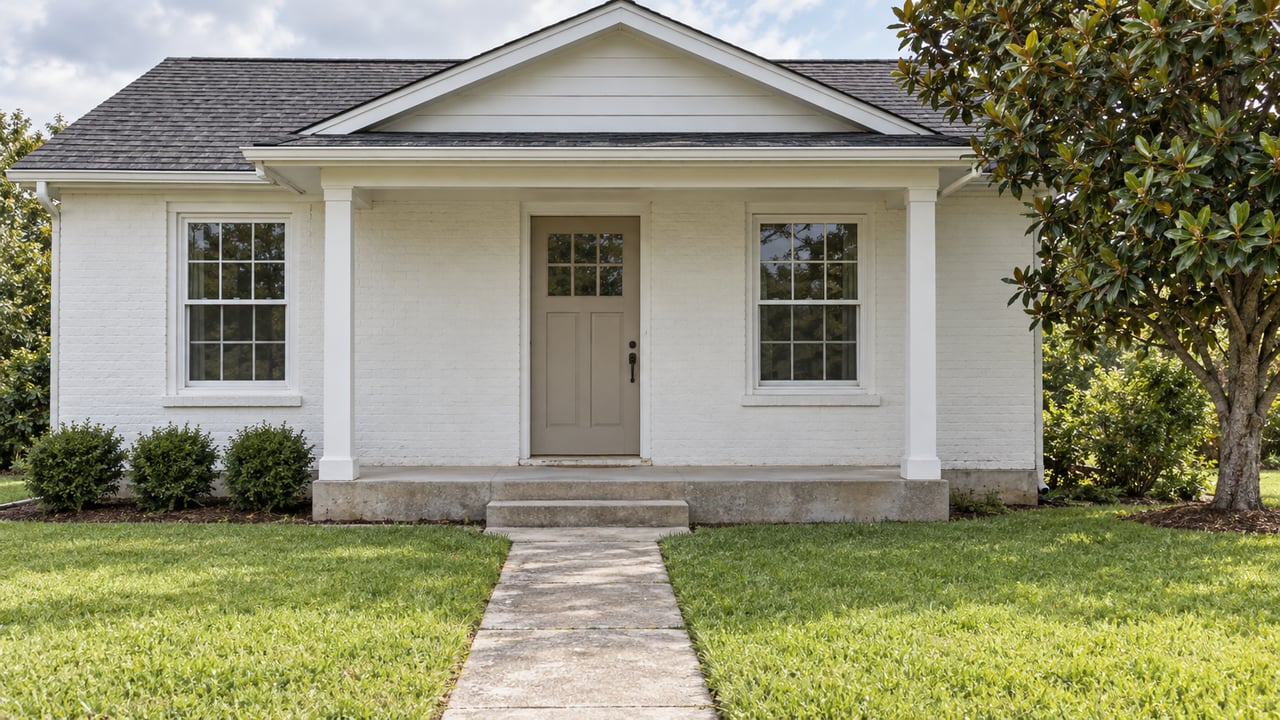
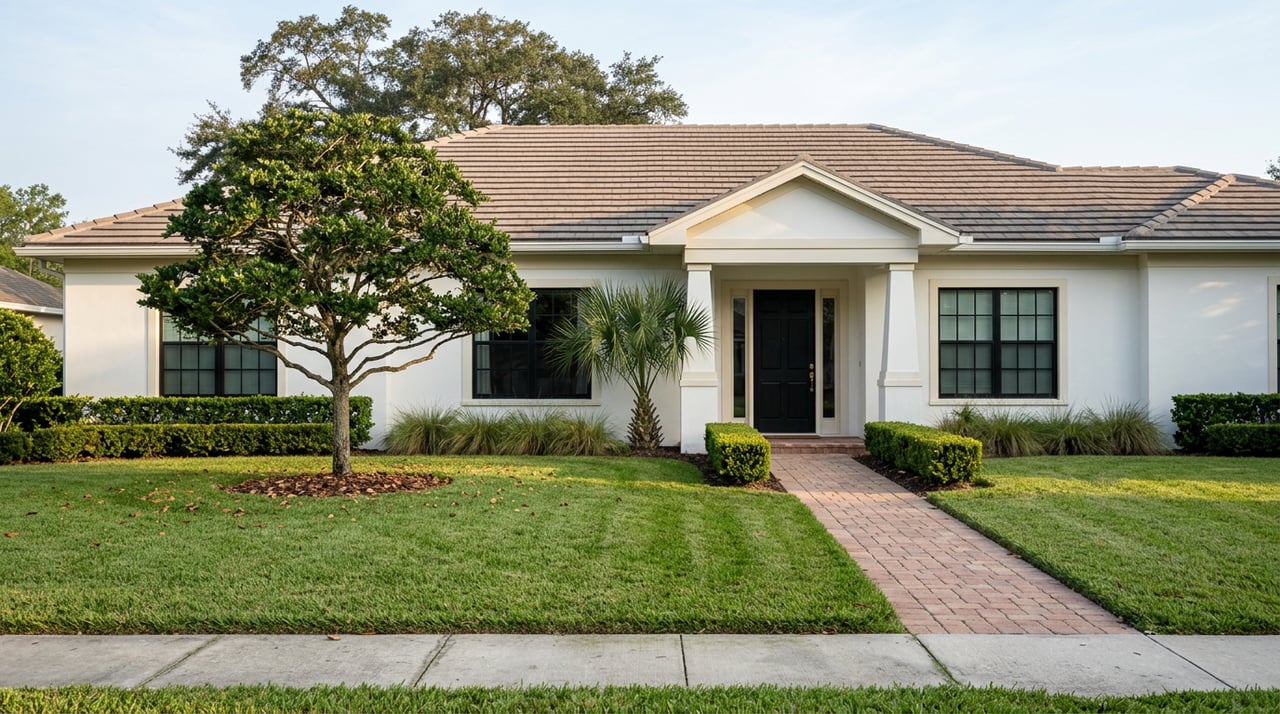
Picture a buyer touring a modest older house on a side street in downtown Maitland. They start planning a bedroom addition before they reach the kitchen. Until this fall, the city's code didn't allow it. Under Maitland's Land Development Code, detached single-family homes in the Downtown Maitland district that existed before June 22, 2020 "shall be deemed conforming and shall be allowed to be repaired or remodeled, but not enlarged." The same language applies to duplexes. New single-family homes and duplexes are prohibited in the district outright.
That clause is the kind of problem that tends to come up only after a contract is signed, when someone asks a contractor or the city about plans. It's also half of a larger story. For years, downtown Maitland's smallest parcels were held in place by two rules working together. One kept existing houses at their current size. The other required storefronts that small lots couldn't support. Ordinance 1461 loosens both, and that changes what someone buying on these blocks is paying for.
Community Development Director Michael Daniels described the problem plainly to GrowthSpotter: "It's very arbitrary to say … if somebody has an 800-square-foot house, somebody else has a 900-square-foot house. Well, the 800-square-foot house can't enlarge because of our code." He told the outlet the restriction could block even modest improvements to older homes.
For a buyer, that changes how to read a listing. On most residential streets in Central Florida, a small house on a decent lot is partly a bet on what you could add later. In the Downtown Maitland district, the code ruled out that bet. You bought the house at the size you found it, and that's the size it stayed.
Ordinance 1461 changes this. The city's business impact estimate says it allows "redevelopment and expansion of existing single-family homes and duplexes" in the district, held to the development standards of the RSF-D zoning district. Owners still have to meet the downtown public frontage and streetscape standards. Expansion now has a defined set of rules to follow instead of a flat no. New single-family homes and duplexes are still prohibited downtown.
The second rule goes back to 2016, and to a project the council of that time didn't want.
In 2015, the Maitland Station proposal put 293 apartments just north of the SunRail station with no retail. The Winter Park-Maitland Observer reported that council members felt they had to approve it because the code didn't prohibit it. Then-Mayor Dale McDonald told the paper he was "neither pleased nor proud." In April 2016, the council tightened the downtown code. At least 50 percent of a development's ground floor in the Packwood core had to be retail, office, or commercial space. That share could drop to 25 percent only if 50 percent was deemed unviable, and all-residential projects were effectively banned downtown.
On a large site, a storefront mandate is a design requirement. On a small lot, it can make the whole project unworkable. The current code requires commercial rather than residential use on the ground floor of downtown multifamily buildings. Nonresidential uses other than parking must take up at least 60 percent of the ground-floor frontage along a public right of way. City staff told GrowthSpotter that once a developer fits in parking, drainage, and landscaping, that model "can become economically impractical on small parcels." Staff added that a small commercial space built only to satisfy the code could sit vacant because few businesses would fit it.
One obvious fix would be to combine several small lots into one big site. Councilmember Bill Randolph explained to GrowthSpotter why that hadn't happened: "Our larger lots are disappearing, and we've got these smaller postage stamp lots, and we're not getting cooperation between property owners to assemble lots to make bigger lots."
So the side streets stayed as they were. Older houses couldn't grow. The vacant or underused lots beside them couldn't support a building that worked financially. And getting owners to sell together didn't happen.
Council approved Ordinance 1461 5-0 on first reading on August 24, 2026. The second reading is listed on the city's official council agenda. A meeting summary published by Citizen Portal reports the council adopted it on September 14. That summary is AI-generated, and official minutes weren't available when this was written. GrowthSpotter reported the ordinance would take effect immediately on adoption.
For small parcels, the ordinance does three things:
The cutoff date in the second point matters. Because size is measured as of the ordinance's effective date, buying neighboring lots afterward doesn't create a new qualifying parcel.
The city and GrowthSpotter give slightly different counts. The business impact estimate says the change "could potentially" reduce regulatory constraints for 70 properties. GrowthSpotter, citing Daniels, says up to 67 parcels, many in the southern part of downtown around Circle Drive and in the Ridgewood Avenue area. Neither source explains the difference. Either way, the change covers several dozen properties concentrated on a few streets, not the whole downtown.
The ordinance is narrower than a quick headline suggests. GrowthSpotter's reporting and the city's estimate agree on these limits:
The last point helps when thinking about the house next door. On these side streets, the code already allowed denser housing than a single-family home. The new ordinance adds small apartment buildings with no storefront to that list. Daniels acknowledged that more small multifamily buildings could gradually change the mostly residential character of the southern part of the district. He also said the city could add requirements later if needed.
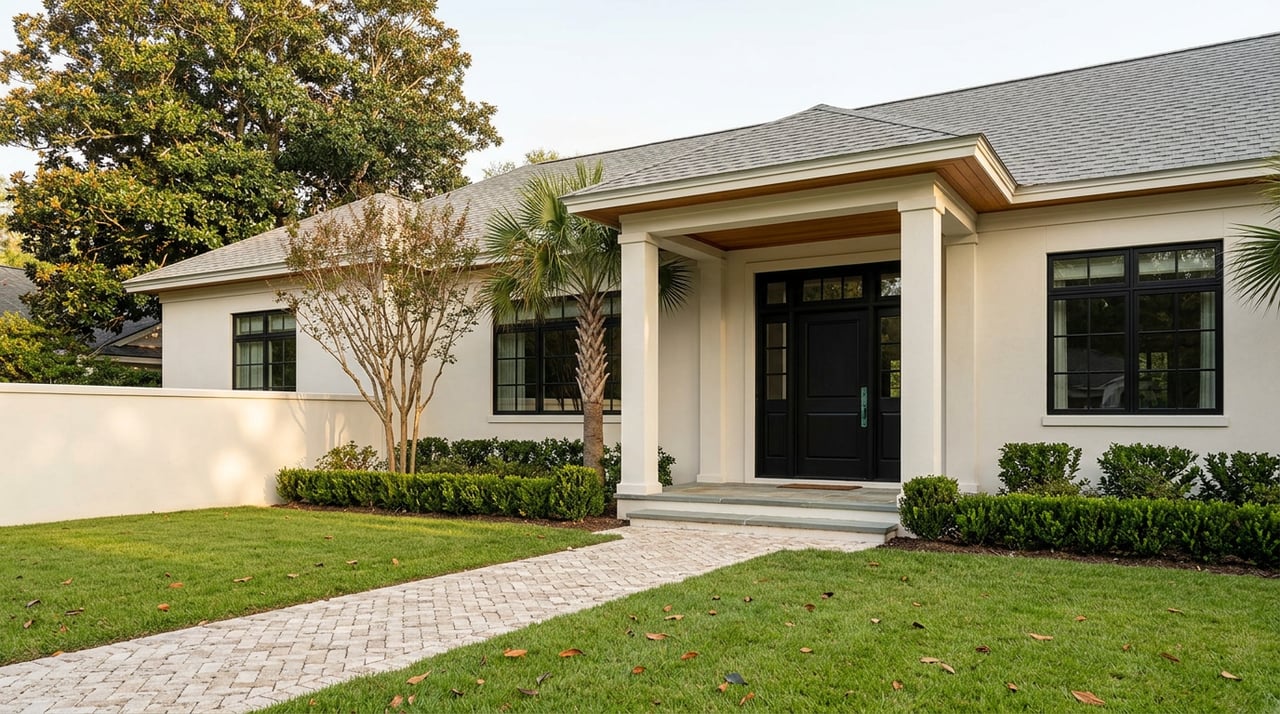
Put the two changes together and a small older house on Circle Drive or near Ridgewood Avenue is a different purchase than it was a year ago. Before, a buyer got the existing structure and little else. Now an addition is allowed under the RSF-D standards, and the lot may sit among parcels that qualify for three- or four-unit buildings.
Nothing guarantees anyone will build them. Randolph said so himself: "Not to say we have a bunch of people standing in line waiting for it to happen, but it gives more opportunity for them to redevelop their lots." GrowthSpotter's coverage didn't name any owner or developer with a small-lot project ready to go.
Meanwhile, the city is spending money on the commercial core it chose to protect. In 2018, Maitland rebuilt Independence Lane between Horatio and Packwood avenues with brick pavers, wider walkways, trees, and lighting. Independence Square was rebuilt in 2020. The $3.5 million northern extension between Horatio and George avenues received $500,000 in federal funding. A city notice from May 21, 2026 said construction would start in June and take about six months. One nearby private proposal is tied to that work. GrowthSpotter reported in December 2024 that Strollo Partners was planning a five-story mixed-use building at 221 E. Horatio Ave. with 15 to 18 homes and 18,000 square feet of retail. As of GrowthSpotter's June 2025 coverage, it was still a plan, dependent on the extension.
The city now treats the two parts of downtown differently. Commercial frontage is required where it has invested in the public streets, and residential flexibility is allowed on the small side streets. Daniels told GrowthSpotter the city wants to keep commercial space on Independence Lane because of what it has invested in making that street a mixed-use corridor. For buyers comparing Maitland with Winter Park, that split is the context behind any downtown Maitland address. The same downtown area also hosts the city's weekend routine around Lake Lily.
No. New detached single-family homes and duplexes stay prohibited in the Downtown Maitland district. The change applies to homes and duplexes that existed there before June 22, 2020, which can now be expanded or redeveloped under RSF-D standards.
The storefront exemption doesn't apply along Orlando Avenue/U.S. 17-92, Horatio Avenue east of Orlando, or Independence Lane, so the ground-floor commercial requirement still applies there.
It depends on the parcel's size before the ordinance took effect, the type of street it faces, and whether the project meets the other downtown standards. GrowthSpotter's article shows a city map of the parcels planners identified for the August 24 meeting. The City of Maitland's Community Development department has the final word on a specific address.
If you own one of the older homes on downtown Maitland's side streets, or you're thinking of buying one, it helps to know how this ordinance applies to that specific lot before you set a price or write an offer. Shirley Jones can go through the property with you and connect what the code now allows to what comparable homes are selling for. Schedule a free consultation, or start with a home valuation.
This article is general information, not legal, tax or financial advice. Consult a qualified professional about your situation.
Stay up to date on the latest real estate trends.
Shirley’s consistent success in sales isn’t just numbers—it’s a reflection of client trust, sharp negotiation skills, and a passion for helping people move forward. Your goals are her mission.