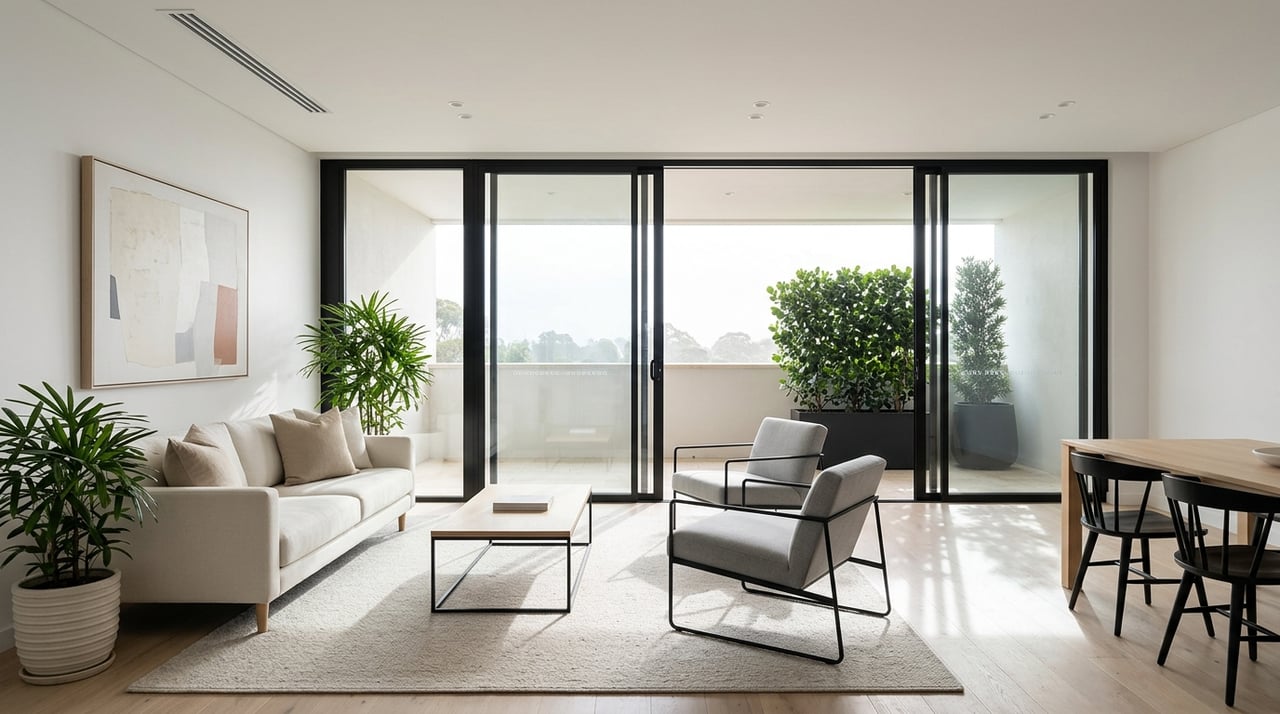
Orlando Condo vs Home Luxury: Which One Fits You?
July 2, 2026
July 2, 2026
If you are choosing between a luxury condo and a luxury home in Orlando, you are not just picking a property type. You are choosing how you want to live, how much control you want, and what kind of resale market you may step into later. For many buyers, especially relocating professionals and lifestyle-driven households, that choice can feel surprisingly complex. This guide will help you compare the trade-offs clearly so you can decide with more confidence. Let’s dive in.
In Orlando, the market still shows a clear price gap between single-family homes and condos. In May 2026, the median sale price in the Orlando-Kissimmee-Sanford area was $445,000 for single-family homes and $300,000 for townhouses and condos. In Q1 2026, that spread looked similar at $440,000 for single-family homes and $299,000 for townhouses and condos.
That pattern also showed up in ORRA’s February 2026 local snapshot. The median price was $410,000 for single-family homes compared with $190,000 for condos, with 1,476 single-family sales and 237 condo sales. In simple terms, detached homes make up a much larger share of the Orlando market.
That matters even more at the luxury level. In ORRA’s Q1 2026 price-by-price data, single-family homes had 100 sales from $1 million to $1.499 million, 31 sales from $1.5 million to $1.999 million, 28 sales from $2 million to $4.999 million, and 6 sales above $5 million. Condos had only 3 sales from $1 million to $1.499 million, 1 sale from $1.5 million to $1.999 million, and no sales above $2 million.
If you want more options, Orlando’s luxury single-family market gives you a deeper pool. More inventory and more completed sales can make it easier to compare properties, understand pricing, and find a home that fits your priorities. It can also support stronger resale flexibility later.
Luxury condos still have a place in Orlando, but the resale pool is much thinner. That does not mean a condo is a poor choice. It means you may have fewer properties to choose from and a smaller group of future buyers when it is time to sell.
ORRA’s January and February 2026 sales mix reinforces that point. Condo and condo-hotel sales made up 12.55% of reported sales, while single-family homes made up 74.52%. For a buyer, that is a useful reminder that detached homes remain the dominant product type in this market.
For many buyers, the biggest reason to choose a condo is convenience. Under Florida condo law, the association is responsible for maintaining the common elements, except for limited common elements assigned to an owner. The law also provides that the unit’s share in the common elements travels with the title.
In practical terms, that structure often appeals to buyers who want a more lock-and-leave lifestyle. If you travel often, split time between homes, or simply do not want to manage as much exterior upkeep, a condo may fit your day-to-day life better. You are often trading some independence for shared maintenance and shared governance.
That said, convenience is not the same as total simplicity. A condo owner still needs to understand building rules, association responsibilities, and the financial health of the community. In Orlando’s luxury condo segment, that due diligence is especially important.
A single-family home usually gives you more direct control. You are generally making your own decisions about the lot, the exterior, maintenance timing, and many property updates. For buyers who value privacy, customization, and autonomy, that can be a major advantage.
In the Orlando luxury market, this option also tends to come with deeper resale depth. Because there are more high-end single-family sales across multiple price bands, buyers often have more room to match their lifestyle preferences with market reality. If your long-term plan includes flexibility, a house may better support that goal.
This can be especially relevant if you are relocating and trying to balance lifestyle with future options. A house may require more oversight, but it often gives you more control over how the property functions today and how it may compete when you sell.
Insurance is another important part of the decision. According to the Florida Department of Financial Services, condo unit owners generally need an HO-6 policy. That type of policy primarily covers personal property and liability and includes loss-assessment coverage.
For single-family homes, homeowners policies such as HO-3 generally cover the structure for all perils except those specifically excluded. Florida DFS also notes that flood coverage is usually separate from standard homeowners coverage. That means you should compare not just purchase price, but also how insurance responsibilities may differ between a condo and a house.
This is one of those areas where the right questions can save you stress later. Before you commit, make sure you understand what the association insures, what you must insure personally, and whether separate flood coverage may be needed.
If you are considering a luxury condo in Orlando, recent Florida condo rules deserve close attention. For buildings that are three habitable stories or more, milestone inspections are required by the end of the year the building reaches 30 years of age, or 25 years in areas where local conditions justify it. After that, inspections are required every 10 years.
Florida also requires a structural integrity reserve study, often called a SIRS, for key building components. According to DBPR, the study covers eight critical elements, including the roof, structural systems, fireproofing and fire protection, plumbing, electrical systems, waterproofing and exterior painting, and windows and exterior doors, along with other qualifying elements over the current threshold.
These rules do not make condos a bad option. They do mean that building condition, reserve funding, and future costs should be part of your buying decision from the start.
For condo resales entered into after December 31, 2024, Florida law requires clear disclosure of any applicable milestone inspection summary and the association’s most recent SIRS. If those documents apply, a buyer has a 15-day right to cancel after receiving them.
That gives you a meaningful window to review the building’s condition and financial planning. In a luxury condo purchase, this review can be just as important as the finishes, views, or amenities.
Before moving forward, focus on these items:
DBPR notes that the SIRS must consider regular assessments, special assessments, lines of credit, or loans, and it must be updated if the association’s funding plan changes. That makes the financial side of condo ownership a key part of luxury buying in Orlando.
If your top priority is low-maintenance living, a more compact footprint, and easier lock-and-leave ownership, a condo may be the better fit. This often appeals to relocating professionals, part-time residents, or buyers who want less hands-on property management. The trade-off is that you will likely have a smaller local resale pool and more building-level due diligence.
If your top priority is privacy, customization, and stronger luxury resale depth, a single-family home will often make more sense in Orlando. The market data show broader inventory and more sales volume at the high end. That can matter if you want more choice now and more flexibility later.
This is why the best decision is rarely about which option is universally better. It is about which trade-off best supports your lifestyle, your risk tolerance, and your long-term plans.
Use this quick checklist to clarify your direction:
The broader Orlando market has also been moving toward a more balanced feel. ORRA reported 6.34 months of supply in February 2026, which is close to its six-month benchmark for a balanced market. Homes were also averaging 83 days on market at that time.
For buyers, that can create room for more careful decision-making. Instead of rushing into the wrong fit, you may have more opportunity to compare the ownership experience, costs, and resale outlook of each option. In the luxury segment, that extra time can be valuable.
In Orlando, luxury condos and luxury homes serve different goals. A condo can offer convenience and a more travel-friendly ownership model, while a house can offer more control and a deeper high-end resale market. Neither is automatically better. The right choice depends on how you want to live and what you want your next move to look like.
If you want experienced, high-touch guidance as you compare luxury condos and homes in Central Florida, Shirley Jones Realtor can help you evaluate the market, the trade-offs, and the opportunities that best fit your goals.
Stay up to date on the latest real estate trends.

Shirley’s consistent success in sales isn’t just numbers—it’s a reflection of client trust, sharp negotiation skills, and a passion for helping people move forward. Your goals are her mission.