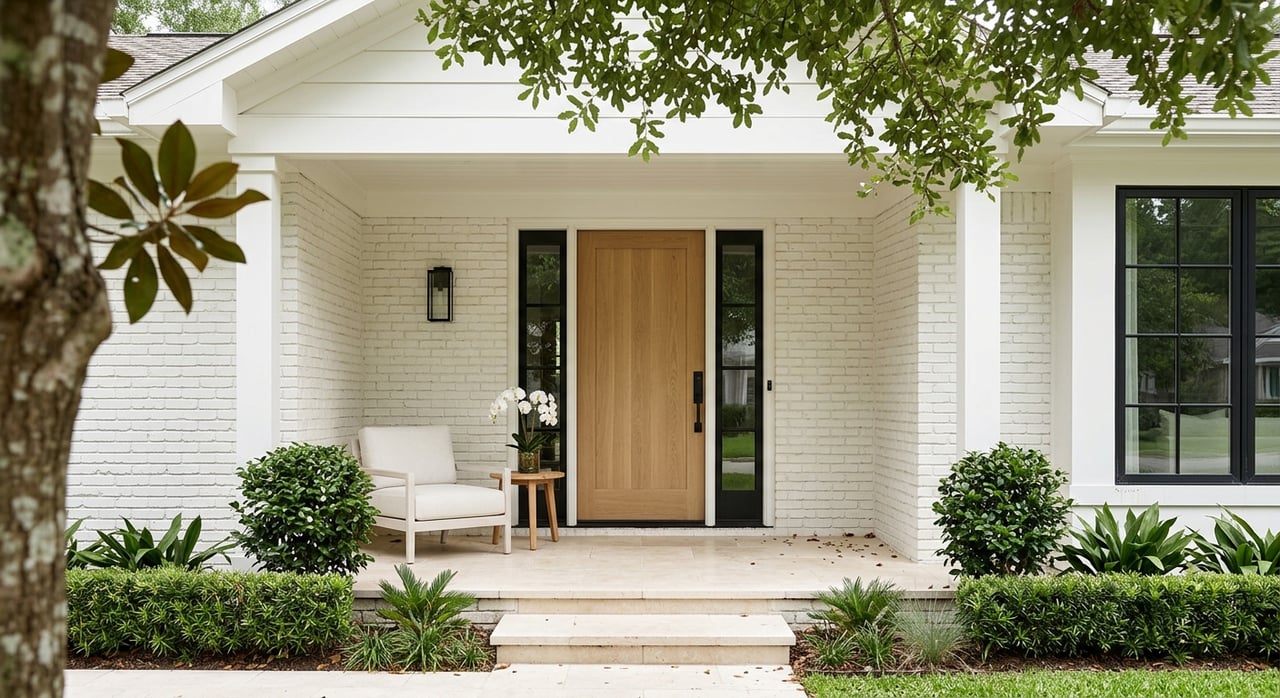
Relocating to Winter Park: What Buyers Should Know
May 28, 2026
May 28, 2026
Thinking about a move to Winter Park? It is easy to fall for the brick streets, lakes, and Park Avenue charm, but relocating well takes more than a quick weekend visit. If you want a practical feel for daily life, housing patterns, and how different parts of the city actually function, this guide will help you get oriented. Let’s dive in.
Winter Park is a compact city in Orange County, just north of Orlando, with more than 30,000 residents across about 10 square miles. The city describes itself as an old-Florida, arts-and-culture community known for mature trees, museums, shopping and dining, and Rollins College.
That compact size matters when you are relocating. You are not learning one giant suburban grid. You are learning a smaller city with distinct pockets, where one street can feel very different from the next.
Winter Park is especially practical if you want access to downtown Orlando or the north-side employment corridor. The Winter Park/Amtrak station sits near Morse Boulevard and Park Avenue, and SunRail currently runs Monday through Friday with peak trains generally every 30 minutes.
If your routine depends on destinations farther south or east in metro Orlando, you will likely rely more on a car. That is why commute planning should be part of your home search from day one, not something you sort out after you go under contract.
The station area is a short walk from Central Park, Park Avenue, Rollins College, and nearby residential streets. Winter Park also emphasizes walking, bicycling, greenways, and transit connections, which adds flexibility for buyers who want more than a drive-everywhere lifestyle.
Cady Way Park connects to the Cady Way Trail, which can be useful if you value outdoor access in your weekly routine. For some households, that kind of day-to-day convenience matters as much as square footage.
One of the biggest relocation mistakes is assuming all of Winter Park feels the same. In reality, the city is best understood as a set of micro-markets centered around the Park Avenue core, the Rollins corridor, older lakefront streets, and mixed residential areas beyond them.
That means your best fit may depend less on the city name and more on the exact block, street pattern, and housing stock. A home near downtown can deliver a very different experience than a property near the lakes or in a more mixed area.
Downtown Winter Park is anchored by Park Avenue and Central Park. The district is listed on the National Register of Historic Places and is recognized for its role in early settlement, architecture, commerce, community planning, and transportation.
This area offers one of the city's most concentrated lifestyle settings. You have shopping, dining, cultural destinations, event spaces, and a highly recognizable public realm within a compact footprint.
If you are drawn to water views or quieter residential streets, lake-adjacent areas can offer a different rhythm. The city's scenic boat tour is a helpful orientation tool because it gives you a direct look at the chain of lakes and the homes that front them.
For relocating buyers, that can be more useful than photos alone. It helps you compare the feel of lakefront and lake-near streets with the denser downtown core.
Winter Park's housing stock is shaped by older neighborhoods, not one uniform suburban pattern. The city notes that historic properties include both large estates and modest bungalow neighborhoods, many influenced by the Florida Land Boom of the 1920s.
Common early-20th-century architectural styles include Bungalow, Colonial Revival, Spanish Colonial, Mediterranean Revival, and Mission Revival. Those styles still define many of the city's older blocks and give Winter Park much of its visual identity.
Some subareas have especially clear signatures. College Place is described as largely Bungalow, Mission, and Colonial Revival, while Virginia Heights includes large two-story Colonial Revival and Spanish Colonial homes with only a few modest bungalows.
Golfview and north Interlachen are known for cohesive Colonial Revival collections. The broader lesson is simple: style and character vary by block, so broad assumptions about the whole city usually miss the mark.
Winter Park has more than 700 historic structures, and the city maps several key historic districts, including College Quarter, East Virginia Heights, Downtown, and Interlachen. If you are considering an older property, you should confirm whether it sits in a historic district or on the local register before making an offer.
That step matters because historic designation can affect future exterior changes. It may not change whether you love the home, but it should shape how you evaluate long-term plans.
Winter Park's Historic Preservation Division administers the local ordinance, maintains the Register of Historic Places, and receives applications for Certificates of Review for additions and alterations. The city says historic designation is an overlay to zoning.
It also says designation does not require restoration and generally does not review interior remodeling. However, exterior additions and new construction are expected to fit the district's traditional pattern, and exterior alterations may be subject to compatibility review.
If you are looking at a vintage home, keep these practical questions in mind:
These are smart questions for any buyer, but they are especially important for out-of-area buyers who may not be familiar with Winter Park's preservation framework.
Winter Park offers 75 parks, which is a major quality-of-life feature for a city its size. Major park anchors include Central Park, Mead Botanical Garden, Kraft Azalea Garden, Ward Memorial Park, Lake Baldwin Park, Shady Park, and Martin Luther King, Jr. Park.
This park system supports very different kinds of daily life. Some spaces are built around strolling and lake views, while others are designed for sports, events, or dog-friendly recreation.
Here are several parks that often help relocating buyers get a feel for the city:
If outdoor access is part of your move, these places can help you quickly understand how different parts of Winter Park support your routine.
Winter Park has an unusually dense cultural identity for a small city. The Morse Museum, Rollins Museum of Art, the Albin Polasek Museum & Sculpture Gardens, Annie Russell Theatre, and the Bach Festival Society all contribute to the city's arts presence.
The city also highlights signature annual events like the Winter Park Sidewalk Art Festival and the Autumn Art Festival. These events are part of what gives the city its rhythm, especially around the downtown core.
Culture is not just a nice extra in Winter Park. It shapes traffic patterns, parking, weekend activity, and how busy downtown feels at different times of year.
That is one reason a relocation visit should include more than a home tour. You want to understand the pace of the city when it is simply functioning, and when it is hosting one of the activities that locals enjoy.
If you are relocating from out of state or from another part of Florida, plan at least one weekday and one Saturday orientation pass. This is one of the most useful ways to understand how Winter Park actually lives.
A weekday helps you test commute timing, station access, traffic flow, and neighborhood activity during working hours. A Saturday visit shows you what happens around Central Park, Park Avenue, and the Farmers' Market, where parking and foot traffic can feel very different.
Winter Park provides a strong set of orientation tools, including a street map and index, zoning map, future land use map, historic district maps, and a downtown parking and cultural guide. For remote shoppers, these resources make it easier to compare blocks and avoid assuming that every Winter Park address offers the same experience.
That kind of prep work can save you time and sharpen your in-person tours. Instead of wandering broadly, you can compare a few targeted areas with a clear purpose.
A practical first tour often includes three different settings:
This side-by-side comparison usually gives you a faster, clearer read on where you feel most at home.
The Winter Park Chamber's Welcome Center is a practical first stop for new arrivals. It offers concierge help, maps, public restrooms, interactive maps, and the official relocation guide.
Its location near Park Avenue also makes it easy to pair with a walking tour of downtown. If you are trying to make the most of a short visit, this can be a simple way to gather orientation materials before touring homes.
Winter Park rewards buyers who look beyond the postcard version of the city and learn how its blocks, housing styles, parks, and daily patterns fit together. When you understand the micro-markets, commute tradeoffs, and historic context, you can make a more confident move and focus your search where it truly belongs.
If you want experienced, personal guidance as you plan your move, Shirley Jones Realtor offers relocation assistance and neighborhood-focused counsel rooted in deep Winter Park knowledge.
Stay up to date on the latest real estate trends.


Shirley’s consistent success in sales isn’t just numbers—it’s a reflection of client trust, sharp negotiation skills, and a passion for helping people move forward. Your goals are her mission.