What to Expect When Buying a New Smyrna Beach Second Home
April 2, 2026
April 2, 2026
Thinking about buying a second home in New Smyrna Beach? It is easy to focus on the fun part first: beach days, weekends away, and a place that feels like your own Florida retreat. But before you buy, it helps to understand how coastal ownership, rental rules, maintenance needs, and local pricing can shape the experience. This guide will walk you through what to expect so you can make a more confident decision. Let’s dive in.
New Smyrna Beach offers a mix of coastal lifestyle and everyday convenience that draws many second-home buyers. The city highlights its beaches along with shopping and dining on Canal Street and Flagler Avenue, and it also has two National Register historic districts, one on the mainland and one beachside, which adds to the variety of settings you can consider (city information and FAQs).
For many buyers, that variety matters just as much as square footage. Your second home may be a quiet getaway, a future retirement base, or a property you use part of the year and hold for long-term value. In New Smyrna Beach, lifestyle, location, and ownership costs all work together.
One of the first things to know is that there is no single price point that defines the market. Recent snapshots vary: Redfin reports a median sale price around $434,000, Zillow shows a typical home value near $444,000 with a median sale price around $452,000, and Realtor.com lists a median listing price near $520,000 (Redfin market data, Realtor.com overview).
That spread tells you something important. In New Smyrna Beach, pricing can shift based on timing, property type, ZIP code, and whether you are looking beachside or inland. If you are buying a second home, it is wise to build some flexibility into your budget rather than anchoring to a single headline number.
Even within the same city, values can vary significantly. Realtor.com shows a median home price of about $599,000 in ZIP code 32169 compared with about $438,000 in ZIP code 32168, which suggests location and property mix can have a major impact on both entry price and resale appeal (New Smyrna Beach overview).
That means your search should go beyond “beachside versus mainland.” You will also want to weigh access, flood exposure, zoning, property condition, and the kind of ownership experience you want from the home.
New Smyrna Beach has a broad mix of zoning categories, including single-family, multi-family, mixed-use, resort-style planned development, commercial, industrial, and mobile-home categories. In practical terms, that helps explain why the local market includes detached homes, condos, townhomes, and mixed-use properties (city zoning map).
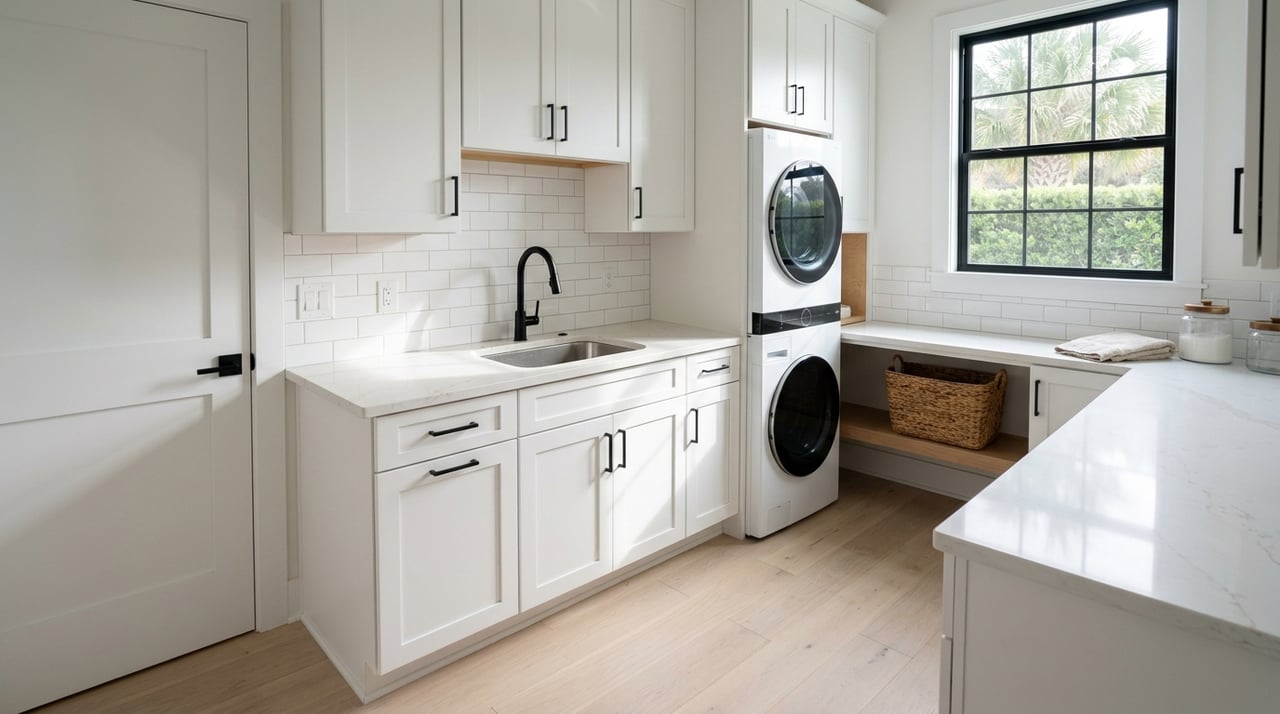
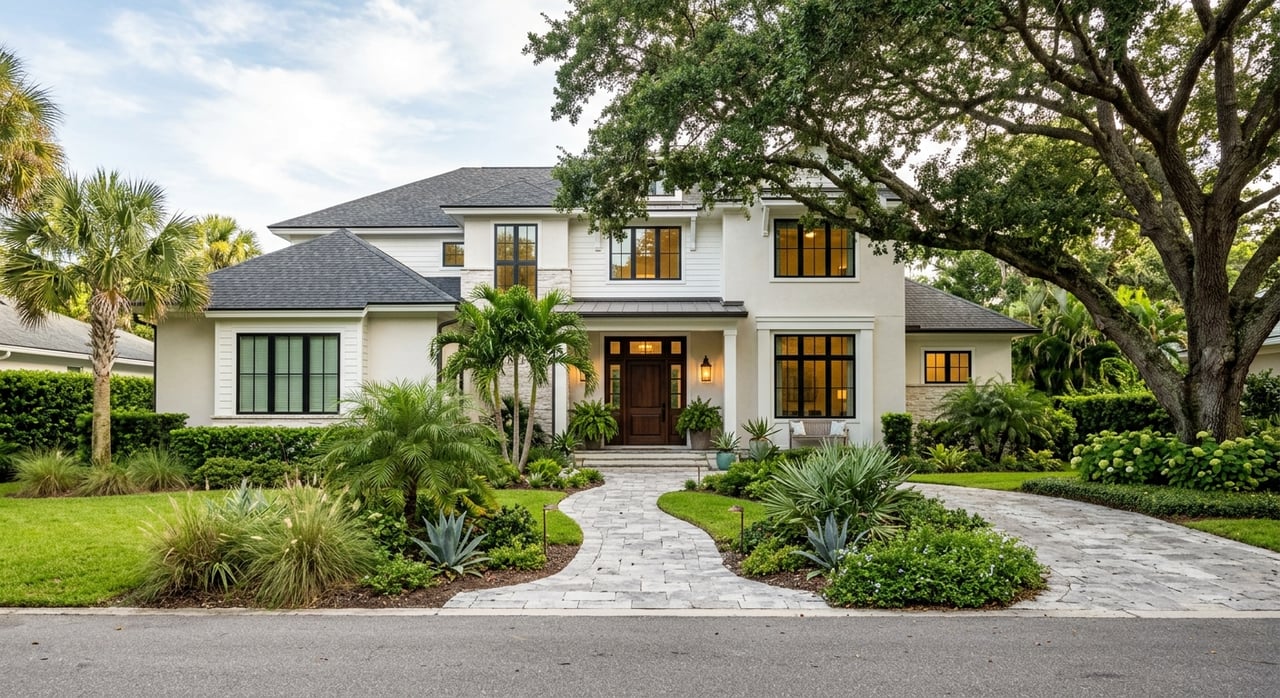
For a second-home buyer, the property type matters because it affects your time, budget, and responsibilities while you are away. A condo or managed community may reduce some exterior upkeep, while a detached home may offer more privacy and flexibility but usually requires more hands-on planning.
If you are considering a condo or managed community, do not assume the association covers everything. According to UF/IFAS, some exterior maintenance may be handled by the association or management, but owners should verify exactly what is covered during absences (UF/IFAS guidance).
That is especially important for second-home ownership. You will want clarity on exterior maintenance, roof responsibilities, pest control, security, and how issues are handled if a storm or leak happens while you are out of town.
Buying near the coast comes with benefits, but it also requires a more detailed look at risk. FEMA notes that coastal communities can face storm surge, waves, and erosion, and that flood insurance is separate from standard homeowners insurance (FEMA coastal flood maps, FEMA flood insurance).
In New Smyrna Beach, the city identifies special flood hazard zones including A, AE, and VE, and advises owners to check FEMA flood maps by address (city FAQs). For a second-home purchase, flood review should be part of your normal due diligence, not a last-minute item.
The city’s stormwater information makes clear that flooding is an active issue. Officials report that Hurricane Ian caused widespread flooding and affected more than 1,000 homes, and the city is continuing to update its Stormwater Master Plan and flood-mitigation standards (stormwater management page).
This does not mean every property has the same level of concern. It does mean you should investigate the specific lot, neighborhood drainage, elevation, and any prior flooding history before you close.
The city notes that elevation certificates are often used by insurance companies to help qualify premium amounts. It also says the Engineering Department can review drainage and flooding concerns on request and provide site-specific suggestions (city FAQs, Engineering Department).
That makes elevation and drainage questions more than technical details. They can affect your insurance costs, your renovation planning, and how easy the property may be to resell later.
A second-home budget in New Smyrna Beach should go well beyond the mortgage payment. If the property’s risk profile calls for it, flood insurance may be part of your ongoing cost structure, and FEMA notes that flood policies through the National Flood Insurance Program usually have a 30-day waiting period unless an exception applies (FEMA coastal flood maps).
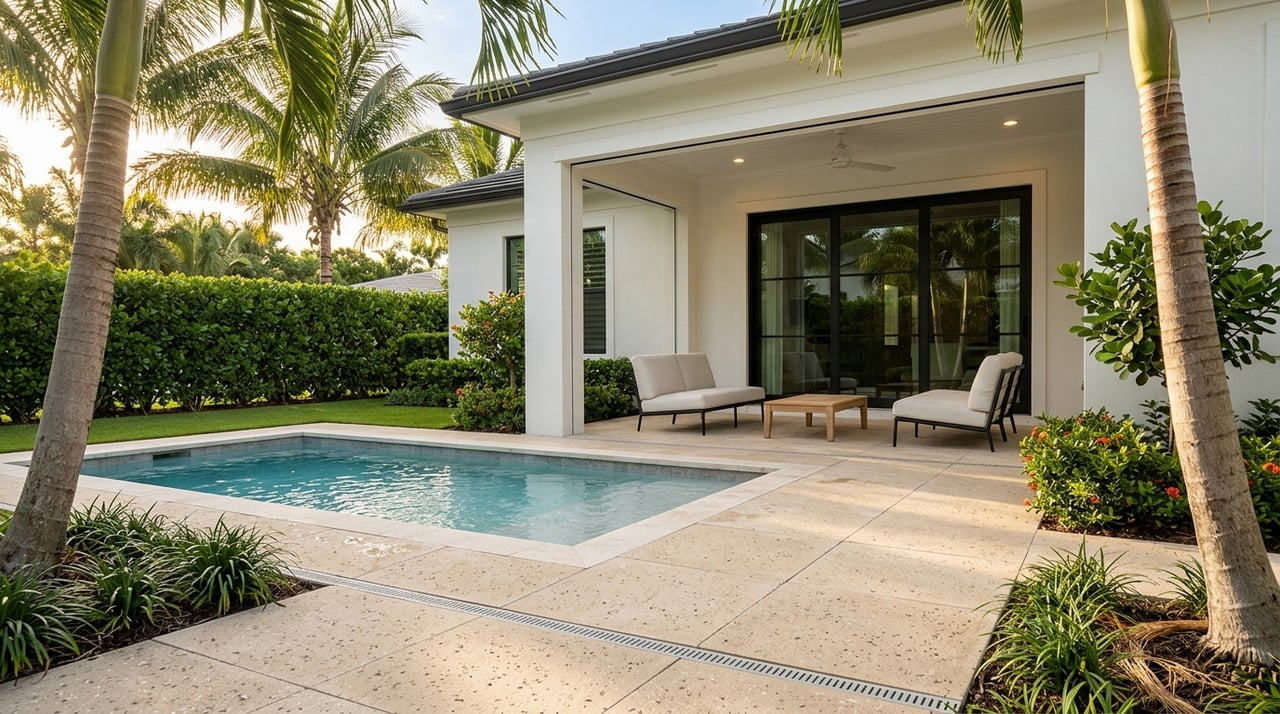
You should also budget for annual AC service, humidistat calibration, roof and gutter cleaning, window and door sealing, landscaping, pool service if needed, septic service if needed, storm prep, and post-storm cleanup. For seasonal owners, these are not small details. They are part of owning well in a coastal climate.
If you plan to update your second home after purchase, permit timing matters. The city notes that many alterations require permits, including structural, window, door, electrical, plumbing, gas, and mechanical work, and that permits expire after 180 days if inspections are not approved (city flood protection page).
That is worth keeping in mind if you plan to renovate from a distance. A realistic timeline, local oversight, and a clear permit path can save you stress and extra carrying costs.
A second home that sits empty for part of the year has different needs than a primary residence. UF/IFAS advises seasonal owners to budget for annual air-conditioning service and humidistat calibration, and recommends keeping indoor relative humidity below 70%, ideally between 45% and 60%, to help reduce mold risk (UF/IFAS home care guidance).
That guidance matters in New Smyrna Beach, where heat, humidity, and seasonal rain can accelerate wear. If the home is vacant for long stretches, maintenance planning is not optional. It is part of protecting the property.
If the property uses septic, UF/IFAS recommends inspections at least every three years and pumping every three to five years. It also advises reducing water use before a hurricane or flood because saturated drainfields can back up (UF/IFAS septic guidance).
For absentee owners, septic can be easy to overlook until there is a problem. If you are buying outside a central sewer setup, make sure septic condition and service history are part of your due diligence.
Many second-home buyers want the option to rent the property occasionally. In New Smyrna Beach, that strategy depends heavily on zoning and local rules.
According to the city’s short-term rental brochure, rentals under 30 days are allowed only in designated zoning areas. Rentals of 30 days or longer are allowed anywhere in the city with a Business Tax Receipt, and the city says a 30-day stay is required, meaning rentals for less than 30 days once a month are still considered short term (short-term rental brochure).
This is one of the most important takeaways for second-home buyers. Do not assume a property qualifies for your rental plan just because it is near the beach or because similar homes appear to be rented nearby.
Instead, verify the parcel’s zoning and the city’s current requirements before closing. The city also notes that rental properties need a Business License Tax Receipt for accommodations and that the BTR is renewed annually (short-term rental brochure).
The ownership experience changes if you are not in town full time. UF/IFAS recommends arranging for a trusted friend or relative to check the home routinely, using timers for lights, and preparing the property carefully before leaving. It also says that if the AC remains on, setting it no higher than 84°F can help manage humidity while limiting energy use (UF/IFAS home care guidance).
That kind of local support becomes even more important during hurricane season. NOAA states that the Atlantic hurricane season runs from June 1 through November 30, and Ready.gov recommends having an emergency communication plan and an out-of-town contact.
The city’s code compliance process is complaint-based, and common issues include trash, debris, weeds, junk vehicles, and front-yard parking concerns (code compliance information).
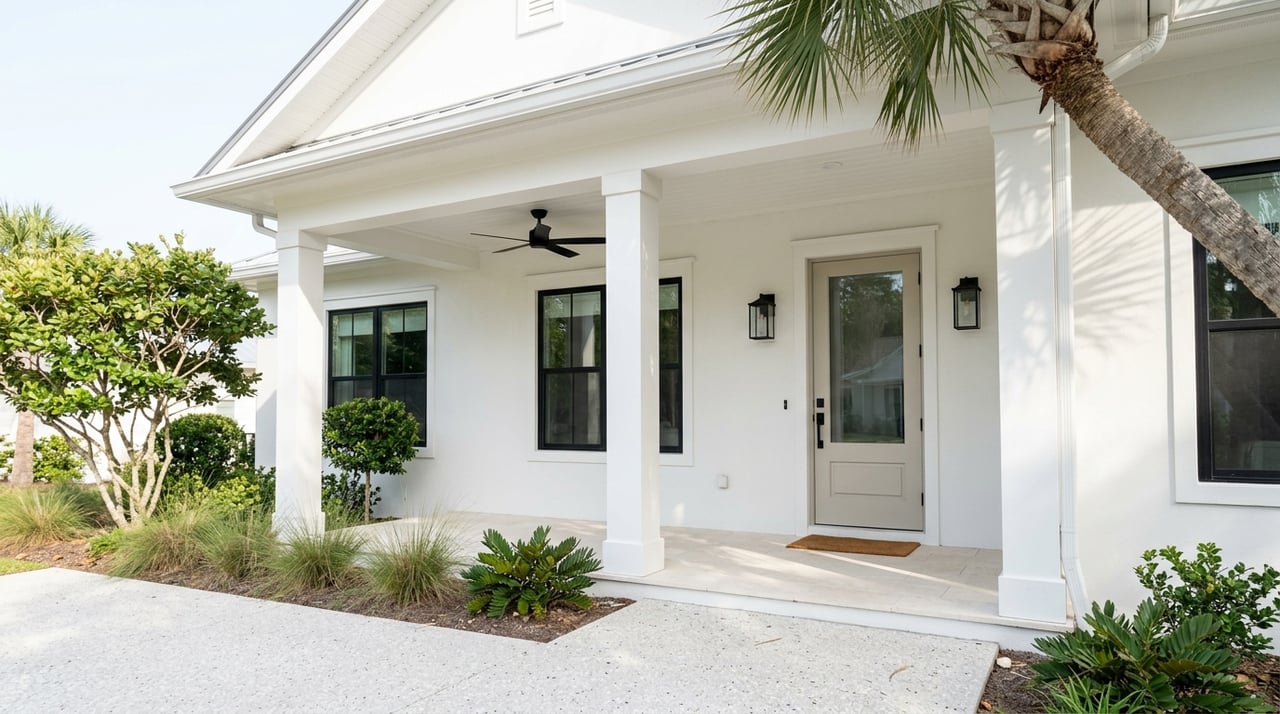
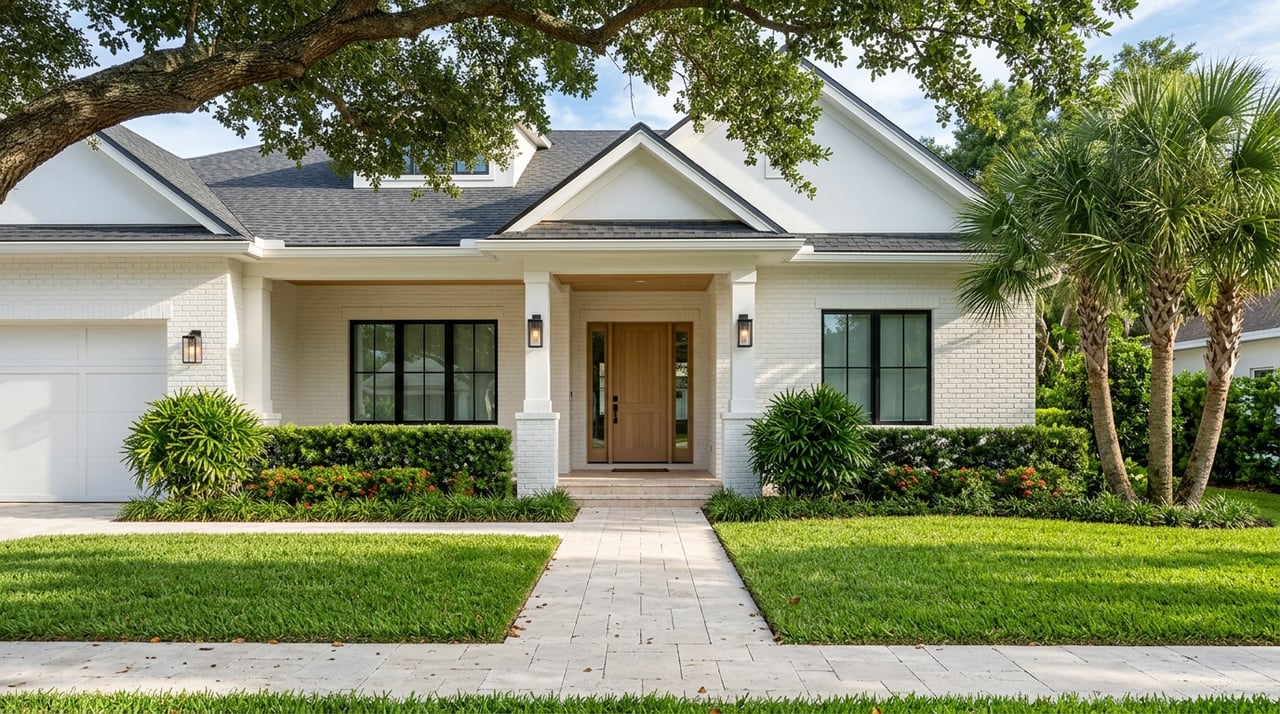
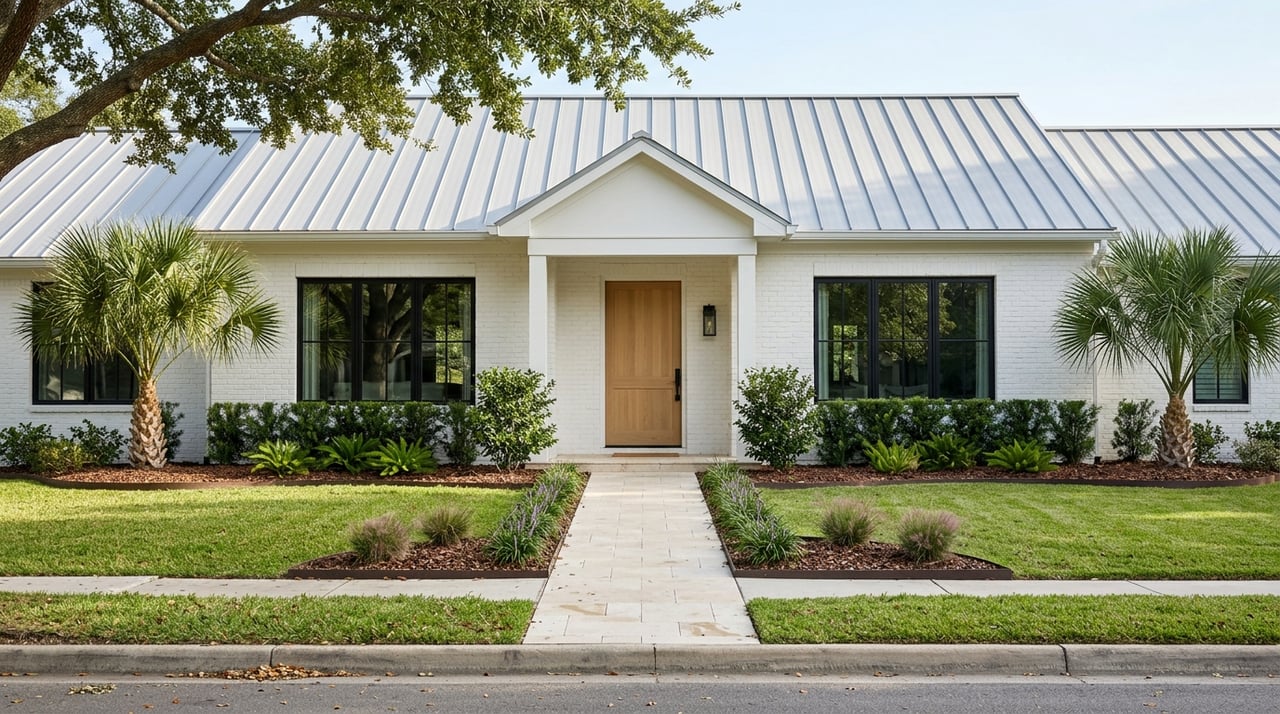
For a second home, curb appeal is not just about appearance. It also helps the property look cared for while you are away, which can reduce headaches and support long-term value.
It is tempting to think a second home in a beach market will always be easy to resell. In reality, buyers often compare several factors at once: lifestyle, maintenance burden, flood exposure, rental flexibility, and property type.
In New Smyrna Beach, that is especially true because pricing and buyer demand can vary by submarket. Historic districts, beachside access, zoning, and stormwater considerations can all influence who your future buyer is and what they are willing to pay (city FAQs, stormwater management page).
A smart second-home purchase balances present enjoyment with future marketability. If you buy with a clear understanding of flood risk, maintenance expectations, and rental rules, you will be in a stronger position later.
If you are serious about buying a second home in New Smyrna Beach, keep your due diligence focused on the issues that matter most:
Buying a second home here can be a rewarding lifestyle move, but the best outcomes usually come from asking detailed questions early. If you want experienced, one-on-one guidance as you evaluate coastal options in Central Florida, connect with Shirley Jones Realtor for a personalized consultation.
Stay up to date on the latest real estate trends.
Shirley’s consistent success in sales isn’t just numbers—it’s a reflection of client trust, sharp negotiation skills, and a passion for helping people move forward. Your goals are her mission.