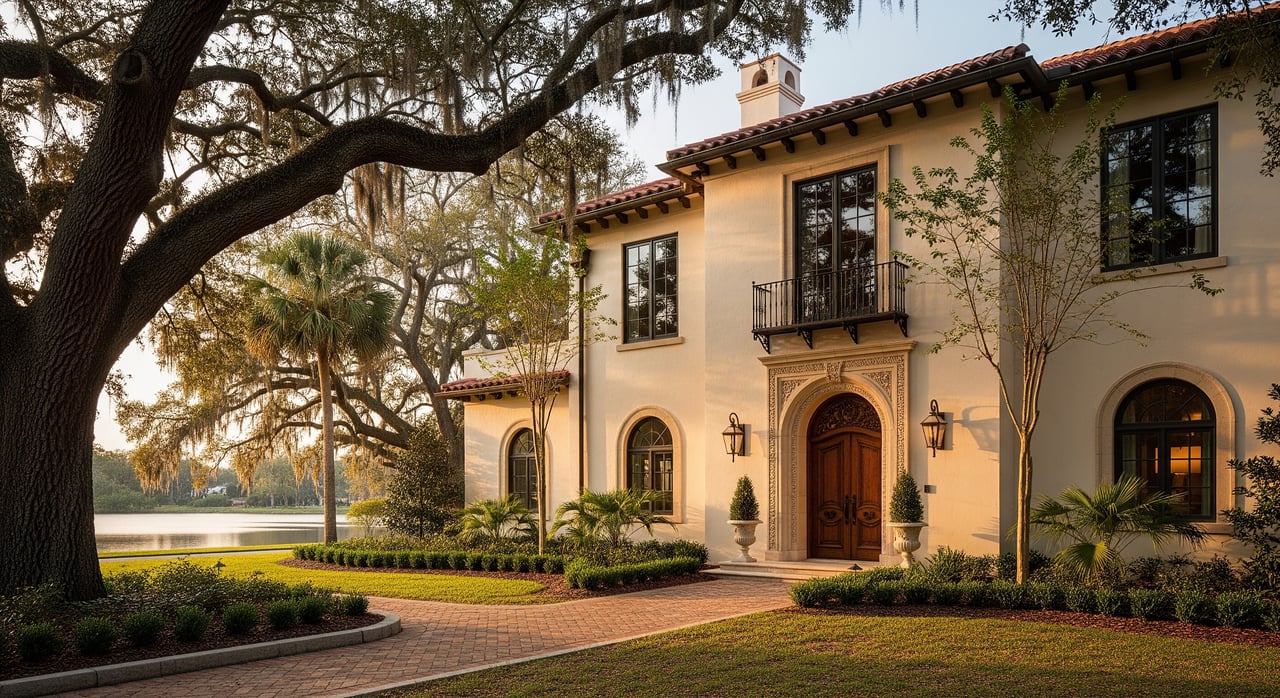
Winter Park Historic Home Selling: What Owners Should Know
February 5, 2026
February 5, 2026
Is your Winter Park gem rich with original details but light on modern upgrades? Selling a historic home calls for a different playbook than selling a newer property. You want to protect its character, answer buyer questions with confidence, and avoid delays at closing. This guide walks you through the steps that matter most in Winter Park so you can price wisely, market beautifully, and move forward with fewer surprises. Let’s dive in.
Winter Park attracts buyers who value tree-lined streets, walkable neighborhoods, and proximity to Park Avenue, lakes, and Rollins College. Many buyers here look for architectural detail and a sense of place that newer homes cannot replicate. They also expect clarity on condition and long-term maintenance.
Buyers often want two things at once. They love original features like wood floors, built-ins, and moldings, and they also want reliable systems such as a sound roof, strong HVAC, and safe electrical and plumbing. Clear information about flood risk, insurance, and termite history is a must in Central Florida.
Before you plan updates or set expectations for buyers, verify how your home is treated under local preservation rules. A little homework now can prevent last-minute delays.
Determine if the property is locally designated, sits within a historic district, or appears on any state or national register. If the home is locally designated, exterior changes often require review and a Certificate of Appropriateness or similar approval. Contact the City of Winter Park planning and historic preservation staff or check municipal records to confirm status and typical approval timelines.
Unpermitted work raises buyer concern and can stall closings. Historic homes sometimes include nonconforming elements that were legal when installed. New work may trigger current code requirements. Gather permit history and be ready to disclose what was done, when, and by whom.
If your home was built before 1978, you must provide the federal lead-based paint disclosure and the EPA pamphlet to buyers. Florida and local governments also have seller disclosure obligations. Confirm the current forms and best practices with your real estate professional or attorney so you can prepare accurate documents from day one.
Some projects receive support through local, state, or federal preservation programs. If you used incentives or have a preservation easement, disclose it early since covenants may run with the property. Check with the Florida Division of Historical Resources, the City of Winter Park, and local preservation organizations for program details and documentation.
Pre-listing inspections help you set the right price and reduce re-negotiation. They also build trust with buyers who love character but prioritize safety and insurability.
Obtain estimates for major items so you can decide what to address before listing versus what to offer as a credit. Small, visible fixes tend to pay off. Bigger system upgrades may be negotiated, especially if a buyer plans renovations. Factor insurer requirements into your choices since four-point and wind mitigation findings can affect insurability and premiums.
Valuation for historic or unique homes takes nuance. The right pricing strategy sets expectations and helps you defend value at appraisal.
Comparable sales analysis can be harder with one-of-a-kind properties. Prioritize location, lot, square footage, and the degree of preservation or restoration when choosing comps. An appraiser experienced with older homes in Winter Park or Orange County is ideal. They will understand how character and condition translate to value in this market.
Conventional loans generally work well when systems and structure are sound. FHA, VA, and similar programs can have stricter property condition requirements. Items like peeling paint on pre-1978 exteriors, missing handrails, roof deficiencies, or active leaks can cause delays until remedied. Renovation-friendly loans such as FHA 203(k) or Fannie Mae Homestyle can attract buyers who want to update while financing improvements.
Older homes can face higher premiums or underwriting limits. Many Florida carriers require a four-point inspection and may request certain updates before binding coverage. If the home is in a FEMA-designated flood zone, flood insurance will be required for financed purchases. Provide any elevation certificate, flood zone information, and claim history you have so buyers can budget accurately.
You are not just selling square footage. You are selling place, provenance, and confidence. Thoughtful documentation and luxury presentation help buyers say yes.
Providing a well-organized packet builds trust and reduces back-and-forth during due diligence.
Professional photography should highlight craftsmanship, natural light, and architectural details. Consider images that show context, like tree-lined streets, nearby lakes, and walkable amenities. Floor plans and a polished history or preservation packet in PDF format make it easy for buyers and their agents to digest key details. Virtual tours extend reach to relocation buyers who shop from out of area.
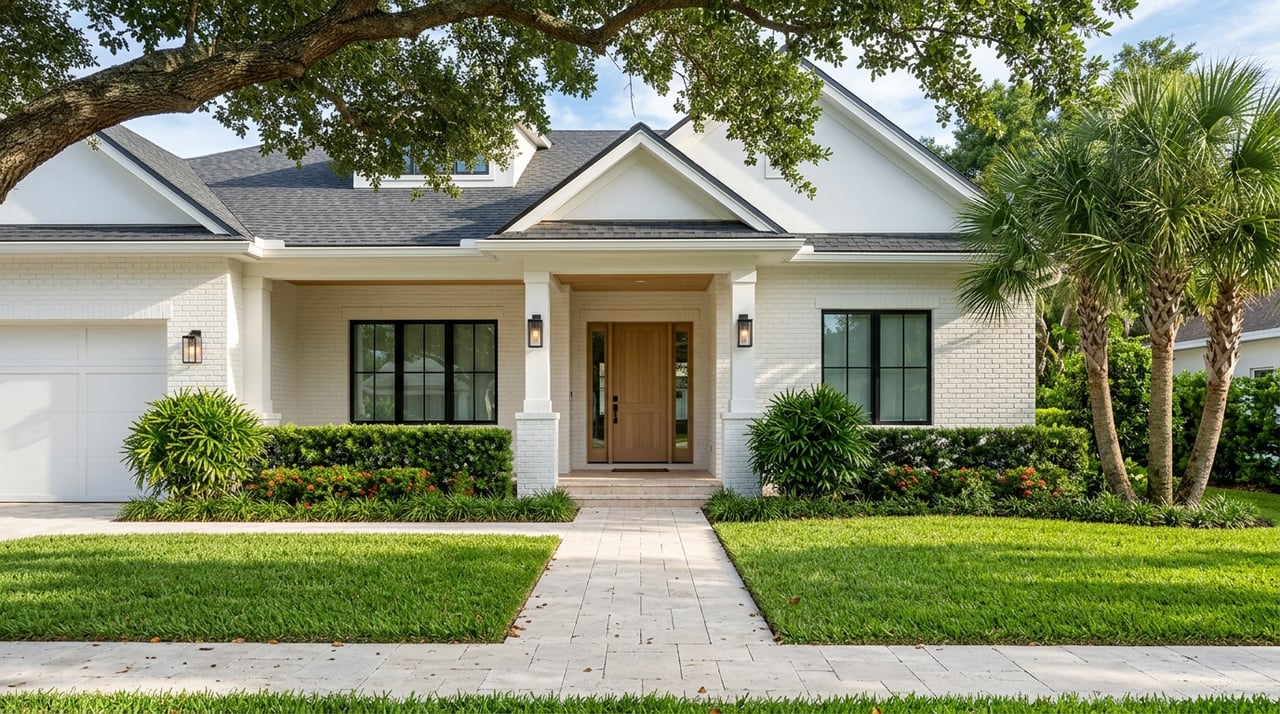
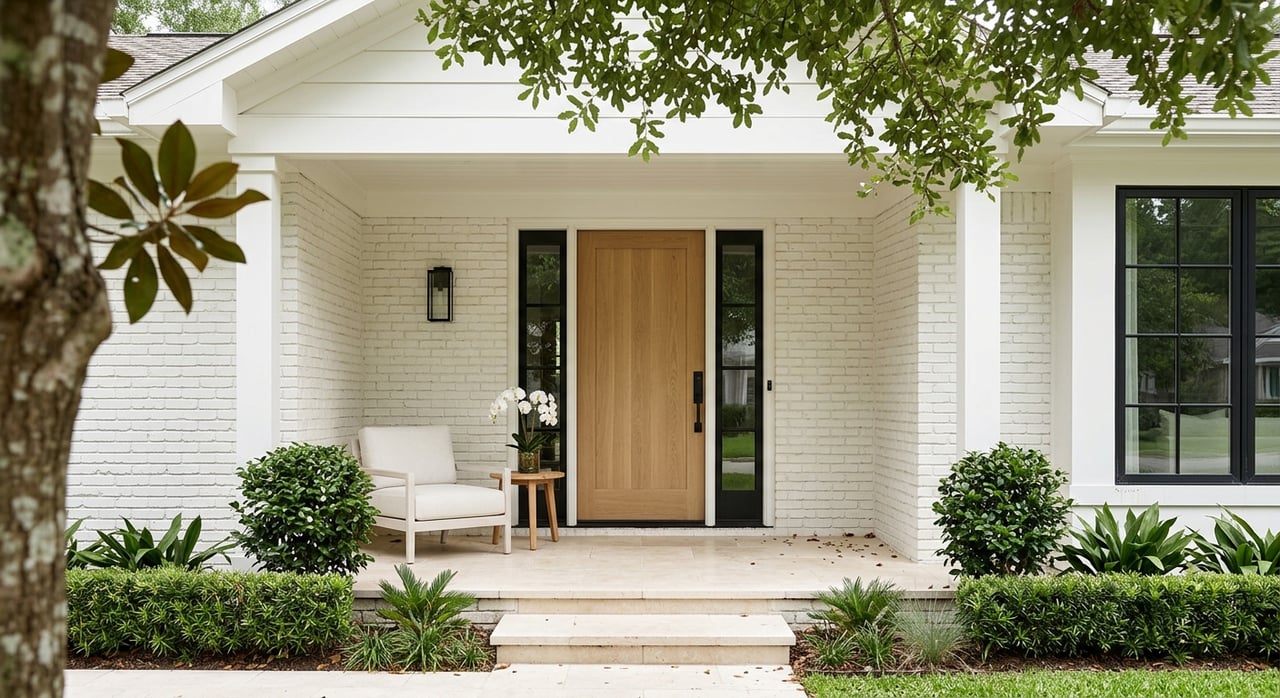
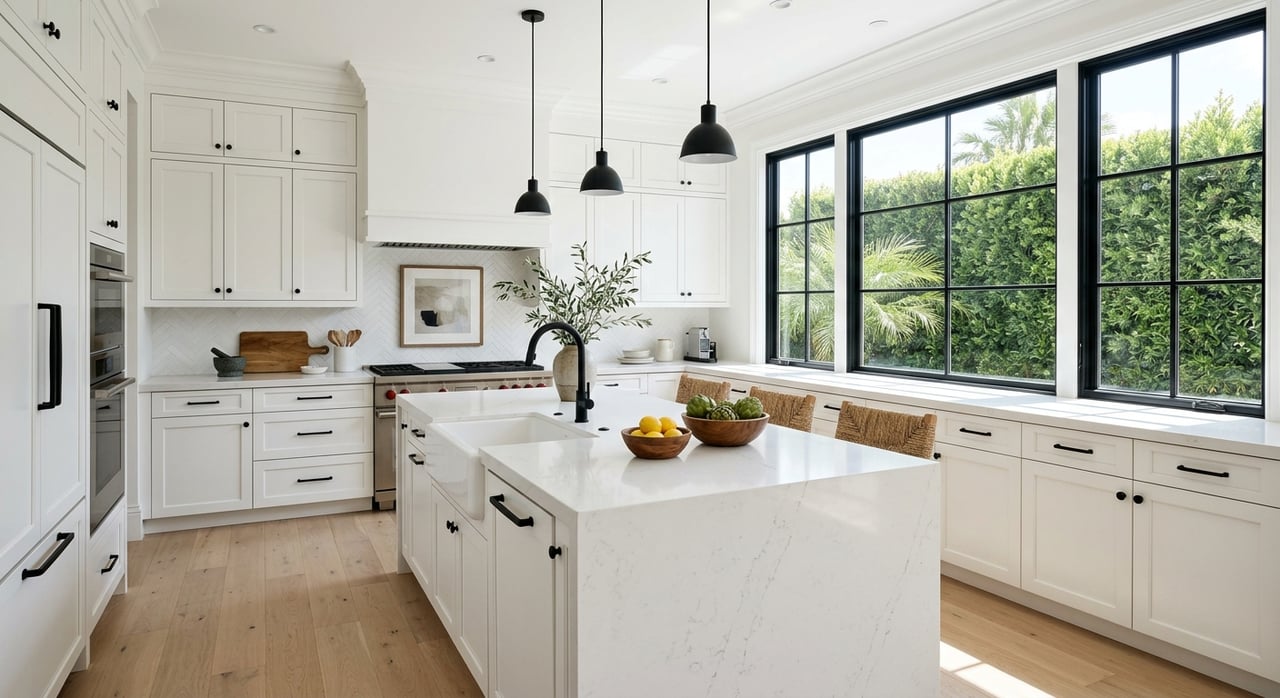
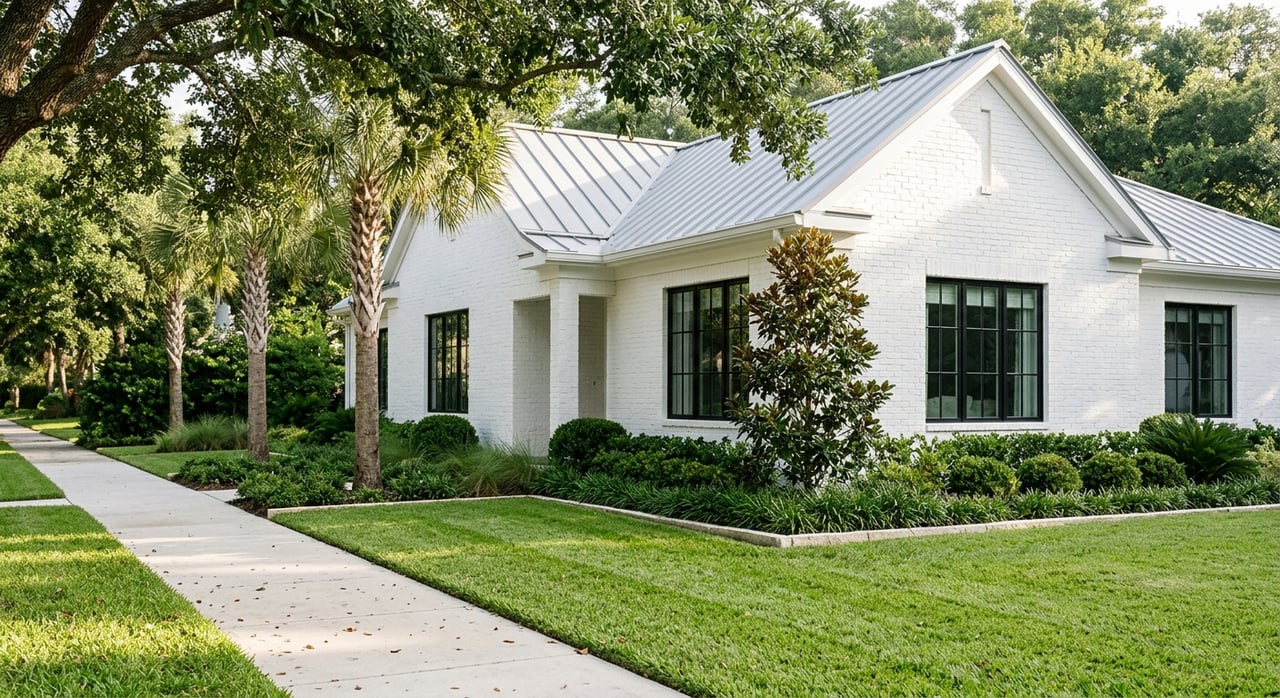
Keep rooms light and uncluttered so original features stand out. Use a simple, modern furniture plan that supports flow and function without masking period details. Refresh landscaping, clean walkways, and make sure porches and entries feel crisp and welcoming. The goal is a current lifestyle presentation that respects the home’s era.
Lead with location, architectural character, and documented care. Buyers appreciate transparency about system ages, inspections, and flood or insurance context. If the property carries a historic designation, explain what that means for future owners so they understand benefits and obligations.
Every property is unique, but this framework fits many Winter Park sales of older homes.
Historic homes deserve personal, experienced representation. You want an advisor who understands Winter Park’s preservation process, buyer expectations, and luxury marketing standards. You also want national exposure that meets the moment for high-value properties.
With over 25 years in Winter Park, Shirley Jones offers direct, principal-level service paired with luxury-grade presentation and broad distribution. If you are considering a sale in the historic core or a nearby premium neighborhood, let’s talk through your timing, inspection strategy, and pricing. Start with a brief consultation so you can plan with clarity and confidence. Connect with Shirley Jones Realtor to schedule your meeting.
Stay up to date on the latest real estate trends.

Shirley’s consistent success in sales isn’t just numbers—it’s a reflection of client trust, sharp negotiation skills, and a passion for helping people move forward. Your goals are her mission.