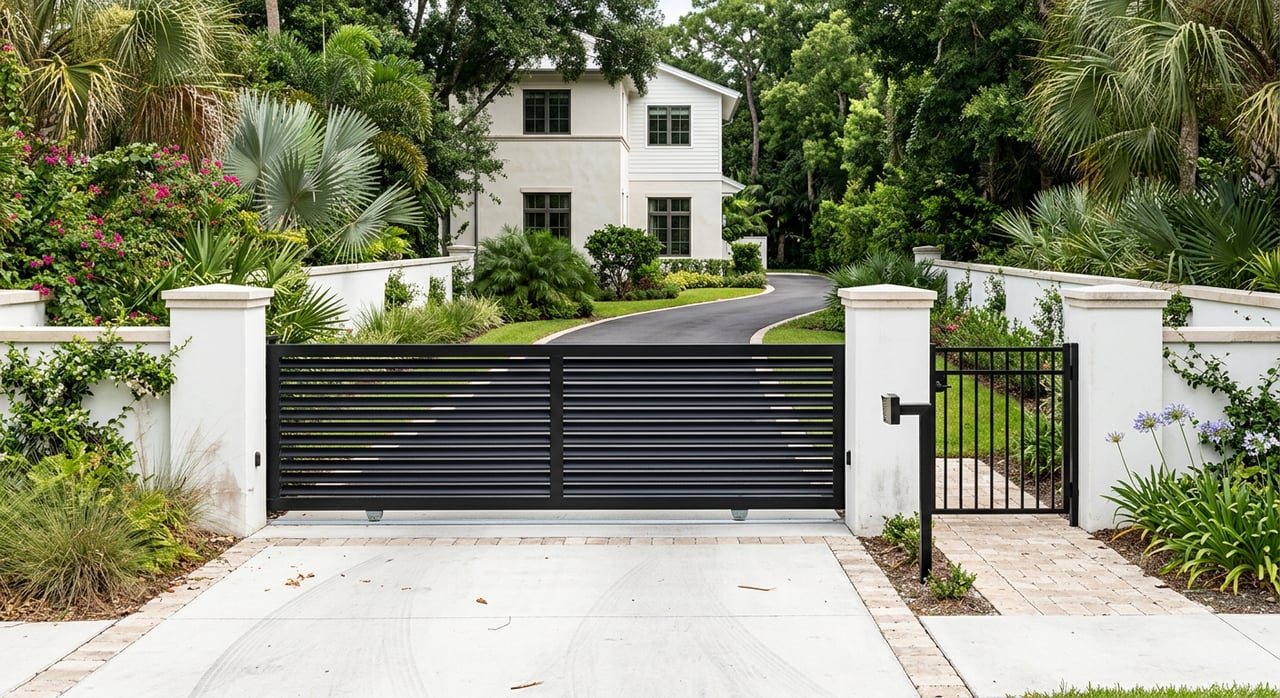
Essential Guide to Lake Mary Gated Community Living
March 5, 2026
March 5, 2026
Thinking about a gated home in Lake Mary? You are not alone. With quick access to I‑4 and SR‑417, nearby business hubs, and a range of guarded and gated options, Lake Mary draws busy professionals and move‑up buyers who want convenience and a polished neighborhood feel. In this guide, you will learn how local gated communities differ, how Florida HOA rules work, what costs to plan for, and which inspections to prioritize so you can buy with confidence. Let’s dive in.
Lake Mary sits in a prime employment corridor. The Heathrow International Business Center anchors a cluster of offices along International Parkway, giving you a short, reliable commute if you work nearby. You can review the business park’s location and scope on the developer’s page for the Heathrow International Business Center.
If you commute to Downtown Orlando, the Lake Mary SunRail station offers a predictable alternative to driving on I‑4. Many gated neighborhoods sit within an easy drive of the station and major expressways, which is a practical edge for relocating professionals.
Large, guard‑gated communities with club options offer broad amenities and a wide mix of homes. In Lake Mary, areas around Heathrow fit this profile, with several sub‑neighborhoods and access to private club facilities. Expect multiple associations, a range of home sizes, and well‑maintained common areas.
If you want golf views and on‑site amenities, consider Magnolia Plantation. It is a gated, guard‑manned neighborhood with community features and golf‑front lots in select locations. You can explore the community overview and contacts on the Magnolia Plantation site.
Buyers who prefer low exterior maintenance often look at gated townhome communities like Fountain Parke. These neighborhoods typically offer controlled access, a clubhouse and pool, and landscaping handled by the association. Expect clear rules around exterior modifications and leasing.
If privacy and space matter most, look at smaller, gated enclaves with larger lots and custom homes. Examples near Heathrow include estate pockets with acre‑plus parcels. These areas tend to have higher price points, strong curb appeal, and more individualized architecture.
Several neighborhoods in Lake Mary feature a gated entry and private roads but limited amenities. These can deliver exclusivity and traffic control without country‑club pricing. Governance is usually a single HOA that covers gates, roads, and common landscaping.
Most single‑family gated neighborhoods in Florida are governed by the Homeowners’ Association Act, Chapter 720, Florida Statutes. This law outlines how HOAs operate, how they levy assessments, what records they must keep, and owners’ access to those records. If you are considering a gated home, assume Chapter 720 will guide what you can do with your property and what the association must provide.
At resale, Florida law requires associations to issue an estoppel certificate (resale statement) that confirms dues, assessments, fines, and fees tied to the property. There are clear rules for content, timing, and capped fees. Review the estoppel section in Chapter 720, and request the estoppel early so you have accurate numbers before you clear contingencies.
HOAs must maintain official records and make them available to owners. Larger associations have additional posting and website requirements. As a buyer, ask to review recent meeting minutes, budgets, financials, and any reserve studies. These documents reveal the association’s health and any planned capital projects.
Florida prohibits certain developer‑favoring provisions in HOA documents. When you review CC&Rs and bylaws, keep an eye out for unusual restrictions. You can read the statute that flags prohibited clauses in Section 720.3075.
Association dues vary widely in Lake Mary because product types range from townhomes to estate homes. Representative listings show dues from roughly the mid‑hundreds per month in some golf communities to around the mid‑$500s per month in certain townhome enclaves, depending on amenities and inclusions. Always confirm the current fee schedule with the association.
Dues may cover guarded gate services, private roads, landscaping of common areas, clubhouse and pool maintenance, security, management fees, and contributions to reserves. Ask specifically what is included, since scope affects your monthly budget.
Even well‑run HOAs occasionally levy special assessments for large capital work, such as gate replacements or pool resurfacing. Request the most recent reserve study and the last two to three years of budgets and minutes. Underfunded reserves can signal future assessments and are reason to negotiate or reconsider.
Confirm whether your association maintains a master policy that covers any portion of structures or common property. Most single‑family HOAs do not cover your home’s structure, but condo and townhome master policies vary. Make sure you understand what your personal policy must insure.
Property taxes are based on value and local millage. You can review how Seminole County explains tax calculations by visiting the TRIM information through the county appraiser. This helps you estimate the tax line item once you identify a target property.
In gated Lake Mary neighborhoods, you will often see concrete block construction with stucco or stone, tile or architectural shingle roofs, and screened outdoor living. Roof life depends on material and maintenance. Florida guides note that asphalt shingles commonly run about 15 to 25 years, while tile systems can last longer, though tile underlayment may need earlier replacement. For planning purposes, review a Florida‑focused overview of roof longevity from a regional roofing resource like this guide.
Air conditioning works hard in Central Florida. Many central AC systems last roughly 10 to 15 years depending on care and brand. Factor this into your budget and ask for service records and warranty details. For an at‑a‑glance primer on AC lifespan in Florida, see this summary.
Pools are common in move‑up and luxury segments. Have your inspector evaluate pool equipment, heater or salt systems, and the condition of screens and frames. Resurfacing and cage repairs can be significant, so clarity here helps you plan post‑closing costs.
Run the property address through FEMA and county maps to understand flood risk and potential insurance needs. Lenders typically require flood insurance if a home sits in a Special Flood Hazard Area. Use FEMA’s terminology index to understand common flood‑related terms your insurer and lender may reference.
Order a wood‑destroying organism (WDO) inspection and ask for any prior reports. Florida’s climate makes this a standard due‑diligence item.
Gated entries reduce cut‑through traffic and enhance access control. Many buyers value the sense of order, quicker vendor verification at the gate, and common‑area upkeep. Keep in mind that guard contracts and gate maintenance are ongoing HOA expenses that factor into dues.
Amenity‑rich communities often run social programming through the club or HOA, which can be a plus if you enjoy organized activities. On resale, gated neighborhoods may carry a price premium, though the effect varies by location and management quality. A review of research on gated communities shows premiums can exist but are not guaranteed and depend on local conditions. You can explore the findings in this academic review. When pricing, use comps within the same community whenever possible.
Request these items before your inspection period ends and make them part of your contract contingencies:
Inspection focus:
Gate and road policy questions to ask:
If you are a relocating professional, focus on communities near International Parkway or the SunRail station for commute reliability. If you are a move‑up buyer seeking space and lifestyle, prioritize estate neighborhoods and golf‑oriented communities and verify lot size, major system ages, and any club membership options.
Ready to explore the best‑fit gated neighborhoods in Lake Mary? For a focused search, clear HOA guidance, and senior‑level representation from offer through closing, connect with Shirley Jones Realtor.
Stay up to date on the latest real estate trends.



Shirley’s consistent success in sales isn’t just numbers—it’s a reflection of client trust, sharp negotiation skills, and a passion for helping people move forward. Your goals are her mission.