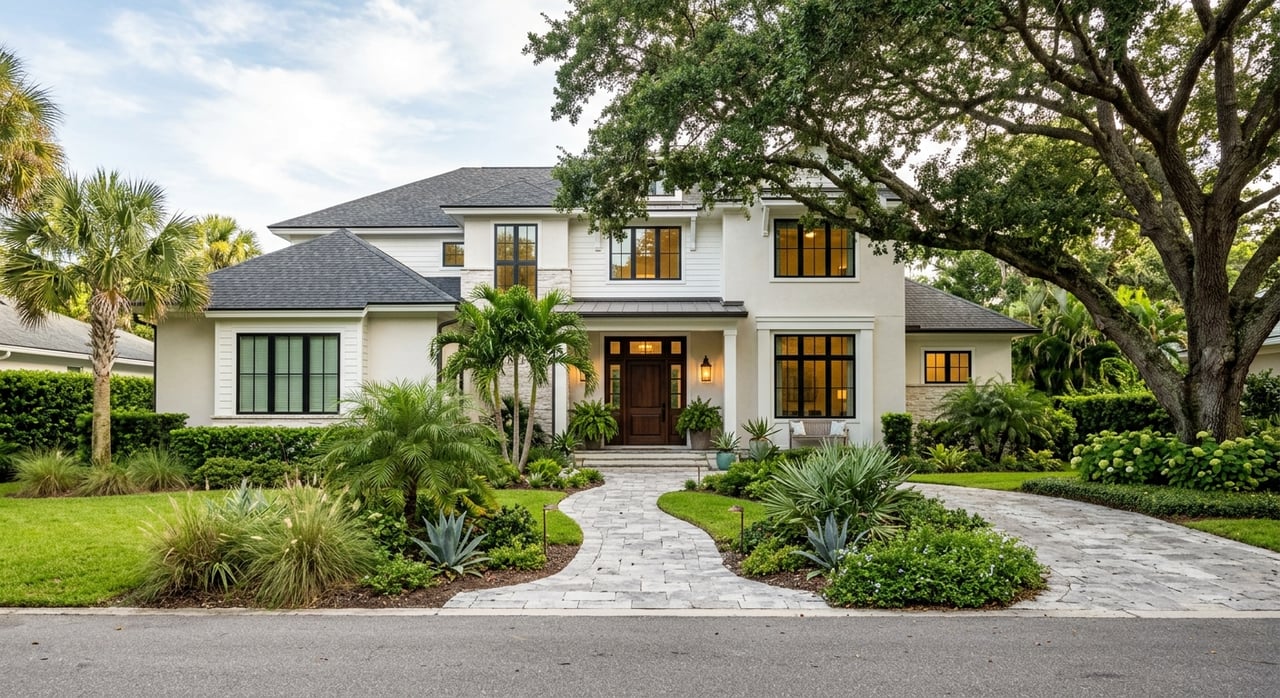
Relocating to Orlando Suburbs: Your Guide to Top Areas
April 23, 2026
April 23, 2026
Thinking about a move to Orlando? One of the first surprises for many buyers is that “Orlando” is not just one uniform place. It is a network of distinct areas shaped by commute patterns, job centers, and lifestyle preferences. If you are trying to figure out where to start, this guide will help you compare Orlando and several nearby suburbs so you can build a smart short list with more confidence. Let’s dive in.
When you relocate to Central Florida, it helps to think of Orlando as a set of connected submarkets instead of one single center. According to the City of Orlando’s growth projections, major employment areas include downtown Orlando, the AdventHealth and Orlando Health campuses near downtown, the attractions area, Orlando International Airport, and Lake Nona and Medical City.
That matters because where you live often comes down to commute geometry and daily routine. If you work downtown, your priorities may look very different from someone commuting to Lake Nona, UCF, or a north-side office corridor.
Orlando city itself is also much larger than many nearby suburbs. The U.S. Census QuickFacts estimate Orlando’s 2024 population at 334,854, while Winter Park, Maitland, Lake Mary, and Oviedo range from about 17,000 to 42,000 residents. In practical terms, that often means the suburbs feel smaller, more residential, and more defined by their local centers.
For many relocating buyers, commute planning should come before home tours. A beautiful house can lose its shine quickly if your daily drive feels harder than expected.
Several roadways shape how people move through Greater Orlando. The Central Florida Expressway Authority identifies SR 408 as a major east-west route through downtown and toward UCF, SR 417 as a key connector for Sanford, Oviedo, UCF, east Orlando, and Kissimmee, and SR 429 as an alternate north-south route on the west side of metro Orlando. I-4 also remains one of the region’s major travel corridors.
Transit can also play a role, depending on where you live and work. SunRail serves Lake Mary, Maitland, Winter Park, and several downtown Orlando stations, including LYNX Central, Church Street, and Orlando Health / Amtrak. If weekday rail access matters to you, that can help narrow your search early.
Before choosing a suburb, it helps to know the region’s major work centers. These hubs influence traffic patterns, housing searches, and even the type of lifestyle each area supports.
Downtown Orlando is one of the region’s most important employment and activity centers. The city’s Creative Village initiative describes it as a 68-acre mixed-use innovation district next to SunRail and LYNX Central Station, with UCF Downtown, Valencia College Downtown, and nearly 1,000 jobs added through EA’s relocation.
If you want an urban setting with access to offices, higher education, dining, and events, downtown can be a strong anchor point. Nearby suburbs with good central access may appeal if you want a residential feel without losing connectivity to the core.
Lake Nona and Medical City remain a major draw for relocating professionals. Orange County describes Medical City as a dedicated life-sciences cluster anchored by hospitals, universities, and research institutions, including Nemours Children’s Hospital, the Orlando VA Medical Center, the University of Florida Academic and Research Center, and the UCF College of Medicine.
The area is also continuing to grow. AdventHealth states that its Lake Nona campus is under construction and expected to open in 2026, which reinforces this area’s long-term importance for healthcare, research, and related employment.
East Orlando is especially relevant if your work or studies are tied to UCF or nearby research and business activity. This part of the region connects closely to SR 408 and SR 417, making mobility a major part of the location decision.
For buyers comparing east-side options, Oviedo often enters the conversation because of its proximity and access patterns. It can offer a more suburban environment while staying connected to this side of the metro area.
Once you understand the region’s layout, the next step is comparing the feel of each area. While every move is personal, a first-pass short list often includes Winter Park, Maitland, Lake Mary, and Oviedo.
Winter Park stands out for buyers who want a more walkable, established setting. The City of Winter Park describes itself as a premier urban village with a historic downtown, Park Avenue, a chain of lakes, museums, brick-lined streets, and a strong tree canopy.
The city’s mobility planning also emphasizes a walkable, pedestrian- and bicycle-friendly environment. SunRail serves Winter Park / Amtrak as well, which adds another layer of convenience for some commuters.
Winter Park’s estimated population is 30,835. Census figures also show a median household income of $105,724 and a mean travel time to work of 22.0 minutes, which is the shortest among the suburbs covered here.
For many relocating buyers, Winter Park appeals because it blends residential character with a recognizable town center. If you value historic character, arts and culture, and a more connected street environment, it is often worth a closer look.
Maitland offers a smaller-scale suburban option with strong central access. The City of Maitland highlights features such as Independence Lane, Lake Lily, pedestrian and bicycle corridors, mixed-use redevelopment, and Maitland City Centre.
It is also served by SunRail, which can be meaningful if you commute toward downtown Orlando. That combination of central location and modest scale can make Maitland attractive for buyers who want convenience without feeling like they are in the middle of the city.
Census estimates show Maitland with 19,776 residents, a median household income of $97,150, and a mean travel time to work of 23.3 minutes. If your goal is a centrally located suburb with a defined local identity, Maitland may deserve a spot on your list.
Lake Mary is often associated with north-side access and planned suburban living. The City of Lake Mary says it is just off I-4 and is known for well-planned residential communities, shopping, prominent businesses, and high-tech employers.
Its downtown includes Central Park and a community center, which helps give the city a recognizable focal point. For buyers whose work is tied to north-side employment, Lake Mary can be especially practical.
Census estimates place Lake Mary at 16,989 residents, with a median household income of $109,173 and a mean travel time to work of 24.6 minutes. If you are looking for a north-oriented suburb with office-market convenience, Lake Mary is often a logical fit.
Oviedo is the largest east-side suburb in this group. The City of Oviedo places the city in eastern Seminole County and notes a population of about 41,934, along with parks, trails, public art, and local events.
The city also lists major employers such as Publix, Duda, Oviedo Mall, and Seminole State. Orlando Health has a medical pavilion in Oviedo between downtown Oviedo and the mall, which adds another practical amenity for residents.
Census estimates show Oviedo with 41,901 residents, a median household income of $117,070, and a mean travel time to work of 26.5 minutes. If you want a larger suburban setting on the east side with SR 417 access and room to spread out, Oviedo may be a strong option.
If you are relocating from outside the area, try not to judge places by name recognition alone. Instead, compare them through the lens of your real daily needs.
A useful first pass may look like this:
This summary is a practical synthesis of city descriptions and transportation patterns from the research sources above. It is not an official ranking, but it can help you focus your search faster.
Relocating buyers sometimes assume all suburbs offer the same value profile. In this case, the data suggests otherwise.
According to Census income figures for Orlando, Orlando city’s median household income is $72,336, while Winter Park, Maitland, Lake Mary, and Oviedo each report higher figures. That suggests these suburbs generally align more with an upper-middle-income suburban profile than a broad affordability story.
That does not mean one city is automatically right for you. It simply means your search will likely go more smoothly if you match your housing goals, commute needs, and budget from the beginning.
If school attendance boundaries matter in your move, this is one detail you should always confirm directly. In Central Florida, zoning is address-based, which means city name alone is not enough.
Orange County Public Schools provides a school finder tool so families can verify attendance zones by specific address. If you are looking in Seminole County communities such as Lake Mary or Oviedo, the same address-first approach is important.
A relocation move usually comes with more moving parts than a local sale or purchase. You may be juggling a job transition, a compressed timeline, unfamiliar neighborhoods, and the challenge of choosing an area before you know the roads and rhythms firsthand.
That is where experienced local guidance can make a real difference. Instead of sorting through Orlando as one giant map, you can evaluate it the way locals do: by commute corridors, daily patterns, neighborhood feel, and how each area supports your lifestyle.
If you are planning a move to Orlando, Winter Park, Maitland, Lake Mary, or Oviedo, Shirley Jones Realtor offers personalized relocation guidance to help you narrow your options, understand the local market, and move forward with clarity.
Stay up to date on the latest real estate trends.







Shirley’s consistent success in sales isn’t just numbers—it’s a reflection of client trust, sharp negotiation skills, and a passion for helping people move forward. Your goals are her mission.